Slow Living Art for Calm, Restful Homes
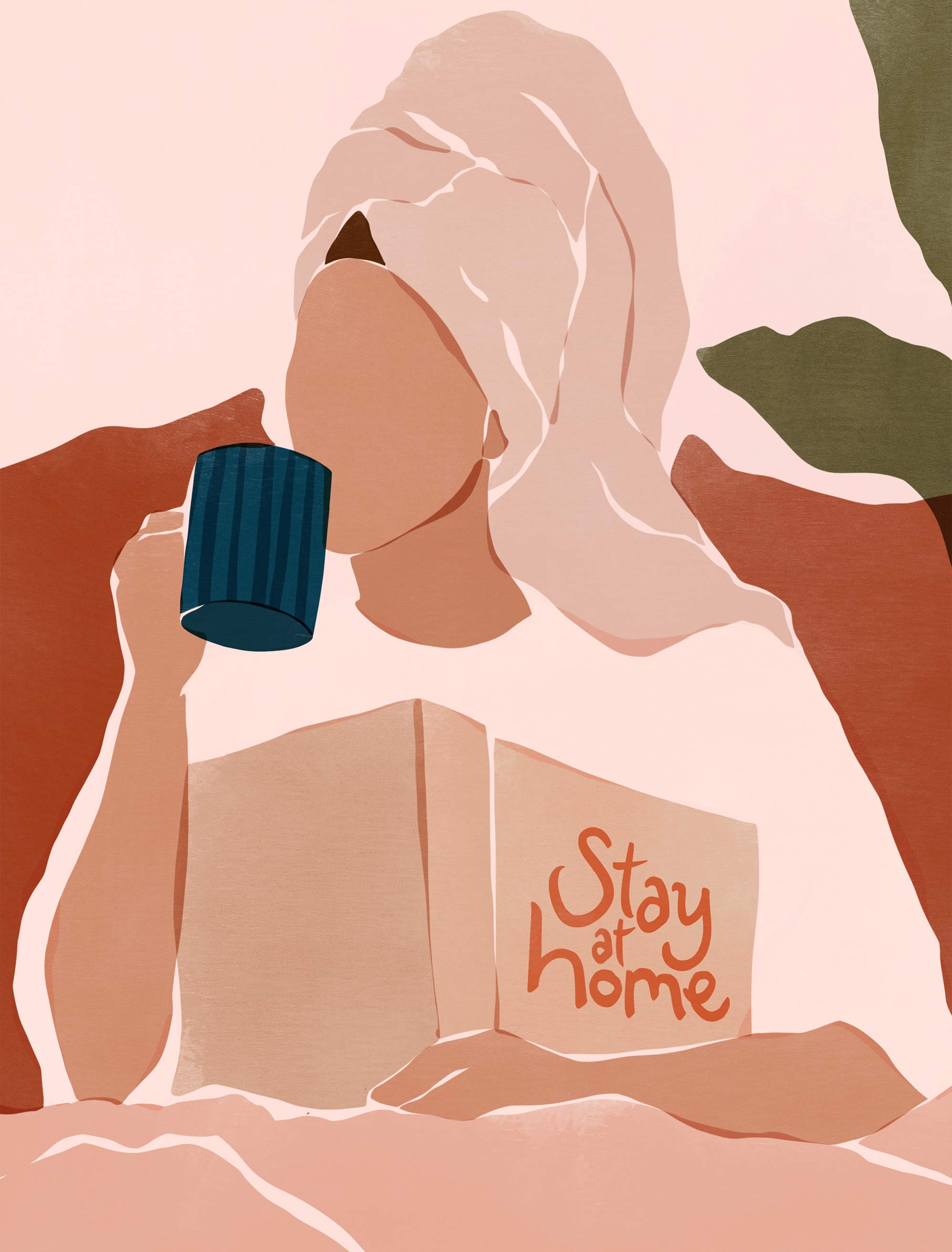
Stay at Home by Sacree Frangine.
Slow living art is a quiet way to make a home feel less rushed, and it starts with the pieces you choose for your walls. It's the art of people living slowly: someone reclining in a hammock, reading by a window, drifting in a boat, rather than simply calm color for a wall. This is a guide to picking art that helps a room breathe, using mood, color, subject, scale, spacing, and placement, so your space feels calmer without feeling bare.
Slow living art captures the beauty of unhurried, everyday moments: figures reading, lounging, or lost in a small ritual, often in sun-washed scenes set in nature or at home. It brings that calm, screen-free pace onto your walls through gentle compositions and soft, warm palettes.
Think of it as decorating at a gentler pace. You're not filling every wall, you're choosing a few pieces that give the eye somewhere soft to land at the end of the day. The tone here is practical and warm: real subjects, real palettes, and small choices that add up to a room you actually want to slow down in.
Key Takeaways
- Slow living art shows unhurried, everyday moments, and invites the same pace into your room.
- A good first step is to choose one room and one feeling before choosing a print.
- Soft color helps, though slow living art doesn't have to be pale or plain.
- Gallery walls can suit slow living when the palette, spacing, and rhythm stay controlled.
- Artfully Walls has browse paths by room, category, style, medium, color, size, and orientation.
What Is Slow Living Art?
Slow living art shows unhurried, everyday moments and invites the same pace into your room. It's a counterpoint to fast, digital living: instead of status or speed, it celebrates rest, routine, and time spent outdoors or quietly at home.
In practice, the scenes tend to feature figures at ease, reclining, reading, observing, or immersed in some small ritual, painted with gentle compositions and sun-washed light. The palettes are soft and warm, the moments ordinary and grounding. None of this is a rulebook, just the shape the trend tends to take, which you can lean into as much or as little as you like.
It also sits comfortably alongside the wider mood in decorating right now. If you're curious how it fits the bigger picture, it's one thread in the current wall art trends, where warmth, texture, and personality are quietly winning out over cold and perfect.
Why Slow Living Belongs on Your Walls
Wall art shapes the emotional pace of a room because it's one of the first things your eye returns to each day. A print can't create a slower life on its own, but it can mark the spots where you pause, and those small cues matter more than they seem.
Hung with a little thought, art can flag a place to read, to cook without rushing, to breathe, or to start the morning more gently. A calm piece over a favorite chair becomes part of the ritual of sitting down. A quiet scene by the coffee maker gives you something to rest your eyes on while the kettle heats. The art isn't doing the slowing, but it's holding the door open for it.
Choose Subjects That Invite a Slower Gaze
The subjects that suit slow living art show life lived at an easy pace, and they invite attention without demanding it. Look for imagery you can sit with, the kind that reveals a little more the longer you look, rather than shouting for a reaction the moment you walk in.
Look first for scenes of people at rest, someone reading in a chair, lounging in a garden, or pausing over morning coffee, since those unhurried moments are what the slow life is really about. Still life and quiet interiors do something similar with ordinary rituals, a bowl of fruit, a folded cloth, a single vase, making them feel a little more seen. Botanical prints and water and coastal scenes bring in the outdoor, time-in-nature side of the trend, and soft abstract prints are there for when you want the mood without a scene. The thread running through them is unhurried attention, not any single subject.
Use Color to Lower the Room's Volume
Color sets the volume of slow living art before the subject does. A gentle palette tends to soften a room, while high contrast turns it up, so it helps to think of color as a dial you can turn down.
Warm neutrals, dusty blues, olive greens, clay, cream, and soft charcoal all read as restful, especially when the contrast stays low. That said, calm doesn't have to mean pale. A deeper tone or one grounded color can feel just as quiet when it's used with intention. A simple approach: pick one anchoring color for the art, then echo it somewhere else in the room, in a cushion, a throw, or a ceramic, so the space feels connected rather than matchy. Here's how that might play out by room:
- Bedroom: soft blues, sage, and warm neutrals for a room that winds down easily.
- Living room: clay, cream, and olive for warmth that still feels calm and sociable.
- Kitchen: gentle greens and warm whites that suit morning light and daily rituals.
- Reading corner: one deeper, grounding tone, charcoal or forest, to make the nook feel held.
Let Scale and Spacing Create Breathing Room
Scale and spacing make slow living art feel intentional instead of sparse. The right size, hung with a little room around it, is what separates a calm wall from an empty-looking one.
A large piece can actually settle a wall when the image has open space and a steady palette, so don't be afraid to go generous with one quiet print, keeping it to about two-thirds the width of the furniture below. Something like a slower-feeling print can hold a whole wall on its own. Small prints, on the other hand, feel intimate in a hallway, beside a bed, or in a breakfast nook, where you meet them up close
If you'd rather fill a bigger wall, one larger print usually feels calmer than a crowd of small frames. And a gallery wall can absolutely stay slow, as long as it keeps a clear rhythm, even spacing, and a limited palette.
Slow Living Art, Room by Room
Each room asks for a slightly different kind of quiet from slow living art. Matching the mood to the way you actually use a space is what makes the choice feel easy.
In the living room, a scene of someone at ease, reading or lounging, makes a warm anchor above the sofa, and a low-contrast gallery wall keeps the busiest room in the house feeling settled. Bedrooms suit restful figures and quiet interiors in softer palettes, and it's worth thinking about where you hang art in a bedroom so the piece is the first and last thing you see each day.
Bathrooms take beautifully to water, botanical forms, and fresh, gentle color. In the kitchen, someone lingering over coffee, a market moment, or a simple still life suits the rhythm of the room. A child's space can stay soft too, and ready-made kids' room gallery walls make a calm, collected look easy to pull off.
And a home office works well with minimal distraction and a little warmth, so the wall supports focus without going cold. If you're styling more than one wall in there, laid-out bedroom gallery walls are a helpful reference for keeping a grouping quiet.
A Simple Checklist for Choosing Slow Living Art
A slow living art checklist helps you choose by feeling, fit, and daily use rather than impulse. Run through these before you buy, and the decision tends to get much clearer:
- Can you name the feeling this piece brings to the room?
- Does the palette work with what you already own?
- Is there enough open space or visual rest within the image?
- Will the scale suit the wall and the furniture below it?
- Does it invite a closer, slower look, or just a quick glance?
- Would you still like it in a quiet moment, not only while scrolling?
If most of those land as a yes, it's likely a piece you'll enjoy living with for a long time.
A Slow Corner: One Small-Room Scenario
A slow corner uses one print, one comfortable seat, and one small ritual to change how a room feels. It's the easiest way to try slow living art without redoing a whole space.
Picture the corner of a bedroom or living room: a soft armchair, a small lamp, and a single calm print hung just above eye level when you're seated. Every morning, that's where your coffee goes for ten quiet minutes before the day starts.
The print doesn't need to be grand, just something with a gentle palette and a subject you like returning to, like Slow Down by Mandy Tsou. Because the art sits at seated eye level and the corner has one clear purpose, the whole spot starts to feel like a small daily pause rather than just another patch of wall.
Where to Browse Next
Artfully Walls lets you move from the slow living idea to real art choices by room, style, color, size, and orientation. The trick is to start narrow: pick one room and one feeling first, then let the filters do the sorting.
From there, it's easy to explore soft abstracts, quiet nature scenes, and gentle palettes across the wider print collection, or to build a calm gallery wall a few pieces at a time. There's no rush, which feels rather fitting. Choose one wall, choose one mood, and let the room grow quieter from there.
FAQs
What is slow living art?
Slow living art is wall art that captures unhurried, everyday moments, figures reading, resting, or enjoying small rituals in gentle, sun-washed scenes. It brings a calmer, less screen-driven pace into your home rather than just adding quiet color.
What colors work well for slow living art?
Warm neutrals, dusty blues, olive greens, clay, cream, charcoal, and muted pastels all tend to work well. The color that makes your room feel quieter, while still suiting the furniture and light already there, is usually the one to follow.
Can slow living art include a gallery wall?
Yes. A gallery wall can feel slow when the palette is limited, the spacing is steady, and each print has room to breathe. Choosing fewer pieces with a shared mood, rather than filling every inch, keeps the whole thing calm.
Is slow living art only minimalist?
No. Slow living art can be colorful, textured, or full of personality. The point isn't emptiness; it's choosing art that supports rest, attention, and a room you genuinely want to spend time in.
Art included: Stay at Home by Sacrée Frangine
Published on: August 19, 2026 Modified on: August 23, 2026 By: Artfully Walls
Previous: Colorful Abstract Art: Bold Color Ideas for Your Home Walls Next: How to Plan a Kitchen Gallery Wall
