Where to Hang Art in a Bedroom: Layout Ideas That Set the Mood
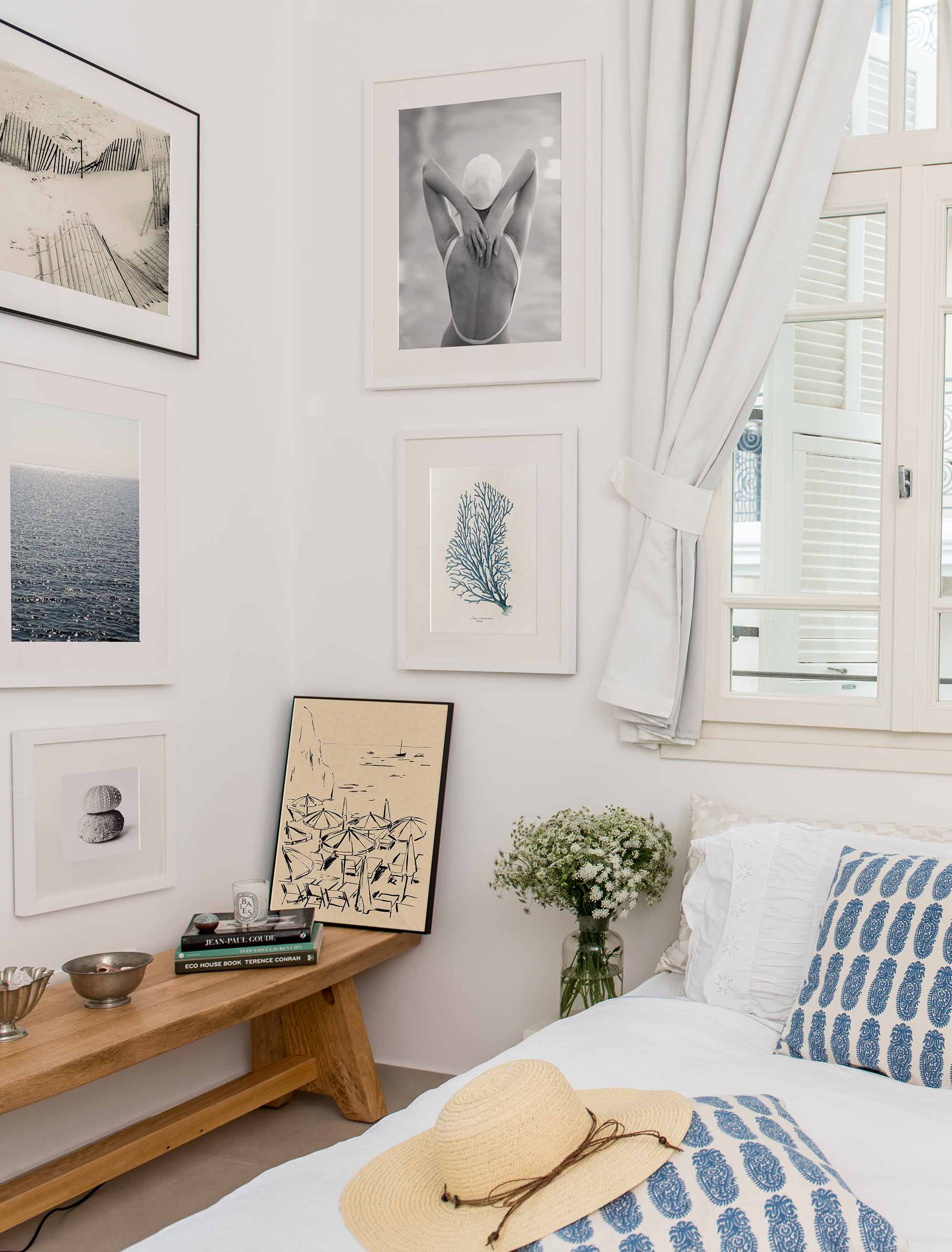
Perfect example of layout ideas that set the mood in the bedroom.
Where you hang art in a bedroom matters more than almost anywhere else in your home. It’s the first thing you notice when you wake up, the last thing you see before falling asleep, and part of the backdrop to all the quieter moments in between.
That’s why placement here isn’t just about aesthetics. It shapes how the room feels. The right piece, in the right place, can make a bedroom feel calm, grounded, and considered. Once you understand a few simple principles around layout, scale, and mood, it becomes much easier to create a space that feels intentional rather than incidental.
Key Takeaways
- The space above the bed is the most important placement and sets the direction for the entire room.
- Getting the scale right makes all the difference; art should feel proportionate to the wall and furniture.
- Bedroom art should be chosen for mood first, with color and subject supporting how you want the space to feel.
- Gallery walls work best when they’re cohesive and restrained rather than busy or overly mixed.
- The wall opposite the bed is often overlooked but has a strong impact on how the room feels day to day.
Start With the Bed: Your Main Focal Point
If you’re not sure where to begin, start with the wall above your bed. This is the room's natural focal point, and whatever you place here will shape how everything else is read.
The goal is to create a clear visual anchor. Something that feels connected to the bed rather than floating above it. In terms of size, aim for artwork that spans about two-thirds to three-quarters of the headboard's width. This keeps the proportions balanced and gives the piece enough presence to hold the wall.
Placement matters just as much. Hanging the artwork about 6 to 10 inches above the headboard or pillows helps tie everything together. It’s a small detail, but it makes the difference between something that feels placed and something that feels slightly disconnected.
One Statement Piece or a Gallery Wall?
Once you’ve focused on the bed wall, the next decision is how you want that space to feel. Clean and simple, or more layered and collected.
Keep It Simple With One Statement Piece
A single oversized print is one of the easiest ways to create a calm, focused look.
It gives the room a strong focal point without adding too much visual noise. This approach works especially well in bedrooms that already have texture or detail in other areas, or when you want the space to feel more minimal and relaxed.
The key is choosing a piece with enough scale and clarity. When it’s sized well, it feels confident and intentional. When it’s too small, it can feel like it’s holding back.
Build a Gallery Wall With a Softer, Layered Feel
If you prefer something more personal, a gallery wall can work beautifully above the bed.
The difference here is in how it’s put together. In a bedroom, restraint goes a long way. Keeping to a shared palette, subject, or mood helps the arrangement feel cohesive and calm rather than busy.
Start with one or two slightly larger pieces to anchor the layout, then build around them. Consistent spacing and a clear visual thread are what turn multiple prints into a single, cohesive composition.
Don’t Forget the Wall Opposite the Bed
One of the most overlooked placements in a bedroom is the wall you face while lying down.
It’s also one of the most important. It’s what you see first in the morning and what your eye returns to when the room is quiet. A single larger piece works well here, something placed at eye level from the bed so it’s easy to take in without effort. A horizontal pair can also work if you want a bit more presence.
Choosing something calm and considered for this wall can subtly shift the room's mood over time.
Use Side Walls to Add Balance and Warmth
The walls around the bed offer a chance to add depth without competing with the main focal points. These spaces tend to work best with smaller pieces. Vertical formats fit naturally between furniture or alongside windows, and a pair of prints can add a sense of symmetry, helping the room feel more complete.
This is also where you can introduce a bit more variation, as long as it still connects to the overall palette or mood of the room.
Make the Most of Smaller or Awkward Spaces
Most bedrooms have a few areas that don’t quite fit the standard layout, but those spaces can add a lot when used well.
Narrow sections between doors or wardrobes are perfect for a single vertical print or a small stacked arrangement. Alcoves naturally frame artwork and can make even a simple piece feel more intentional.
Above dressers or consoles, the same principles apply as elsewhere in the home. Keep the artwork in proportion to the furniture and hang it close enough to feel connected.
These placements don’t need to be dramatic. They just help the room feel complete and thoughtfully put together.
Choose Art That Sets the Mood
Wall art for the bedroom isn’t just something you look at; it’s something you live with. It shapes the atmosphere in subtle ways, especially in the quieter moments when the room is at its calmest.
If you’re aiming for a restful space, softer palettes tend to work best. Warm neutrals, pale blues, and muted greens create a sense of ease, especially when paired with simple compositions like landscapes, line drawings, or gentle abstract pieces. These are the kinds of works that sit comfortably in the background while still adding depth.
For a warmer, more enveloping feel, deeper tones like terracotta, ochre, and earthy hues can bring a sense of comfort. Still life pieces or more textured works add presence without feeling heavy.
If you prefer something softer or more romantic, florals and looser compositions can introduce a lighter, more layered look. And for more modern interiors, bold but balanced pieces can still work, as long as they don’t overwhelm the space.
The key is to choose something you’ll enjoy living with every day, not just something that fits the color scheme.
Common Bedroom Art Mistakes to Avoid
A few small missteps can make a bedroom feel slightly off, even when everything else is working.
Hanging art too high is one of the most common. Keeping pieces closer to the furniture beneath them helps everything feel more grounded.
Choosing artwork that’s too small is another. On larger walls, undersized pieces can lose impact. When in doubt, going slightly bigger usually brings things back into balance.
It’s also easy to focus only on the wall above the bed, leaving everything else bare. Using the opposite wall and side spaces helps the room feel more complete.
And finally, choosing art purely to match colors. A room can coordinate perfectly and still feel flat. Focusing on mood usually leads to a more natural, layered result.
Final Thoughts
Where you hang art in a bedroom is more than a layout decision. It shapes how the room feels, often in ways you don’t notice right away but come to appreciate over time.
When the placement is right and the scale feels balanced, everything settles into place. Even a small number of well-chosen pieces can bring a sense of calm and structure to the space.
That’s really the goal. Not to fill every wall, but to place things with intention so the room feels personal, comfortable, and somewhere you naturally want to be.
FAQs
How High Should Pictures Be Hung in a Bedroom?
Artwork should feel connected to the furniture below it. Above a bed or dresser, placing the bottom of the frame about six to ten inches above the surface helps create that connection.
What Size Art Should I Put Above a King Bed?
A good guideline is to choose something around two-thirds to three-quarters of the width of the bed or headboard to keep the proportions balanced.
Should Bedroom Art Match the Decor?
It doesn’t need to match exactly. It’s better to choose pieces that complement the overall mood of the room rather than trying to coordinate every detail.
Can You Have a Gallery Wall in a Bedroom?
Yes, and it can work beautifully. Keeping the palette or subject matter consistent helps the arrangement feel calm and cohesive.
What Type of Art Is Best for a Bedroom?
Art that supports a sense of calm and comfort tends to work best, such as soft abstracts, landscapes, botanicals, or simple line drawings.
Art included: The Swimmer with a White Cap by Lucy Snowe, Sunkissed Ocean by Henrike Schenk, Blue Coral by Elena Korsunova, Sea Urchins 2 by Dana Hunting, Capri Beach Club by Emily Kopcik - Ula Bloom, Beach Fence No. 5 by Olivia StClaire
Published on: May 12, 2026 Modified on: July 14, 2026 By: Artfully Walls
Previous: How to Decorate a Large Wall: Artful Ideas Beyond the Ordinary Next: How to Plan a Kitchen Gallery Wall
