How to Choose the Right Wall Art for Your Space
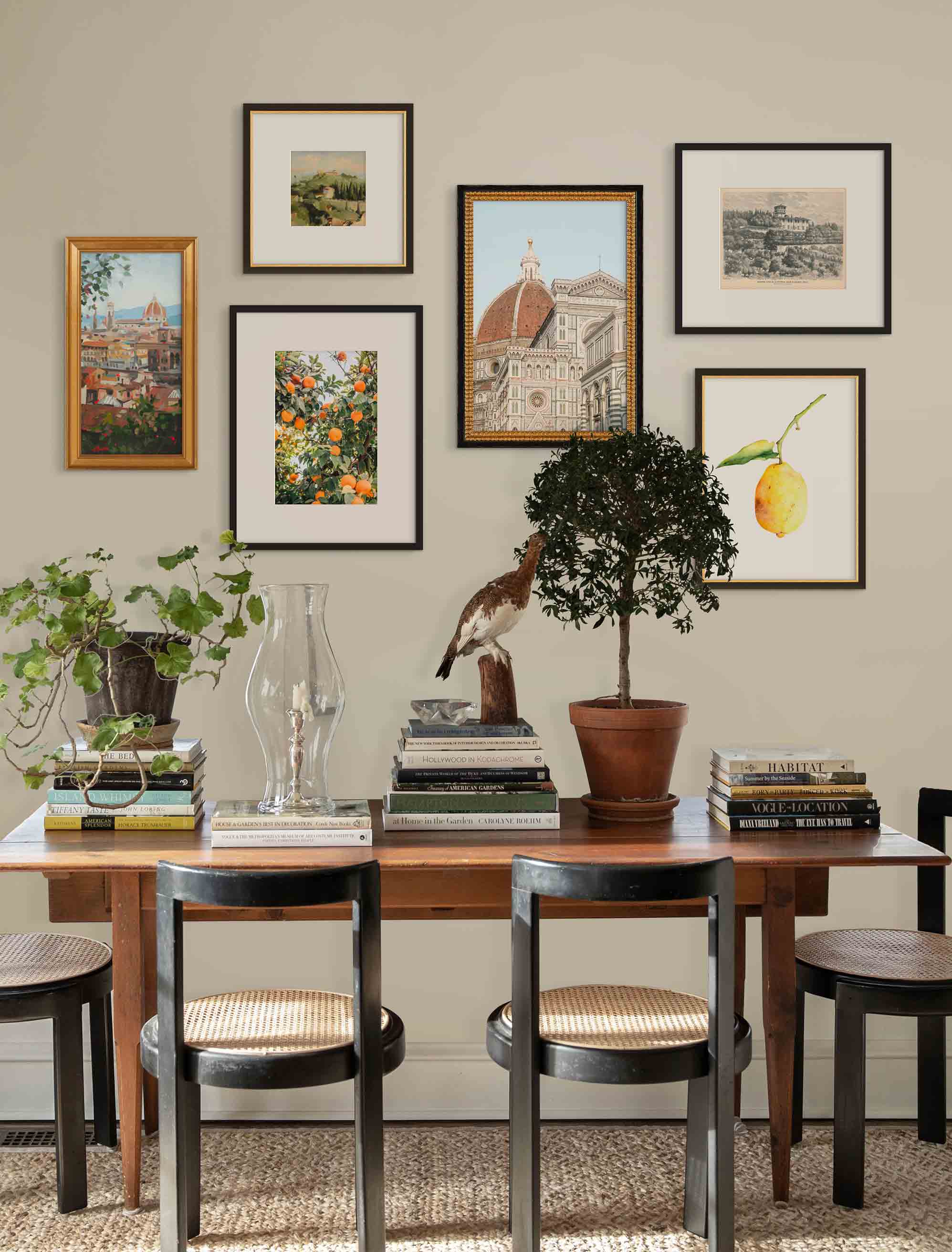
Various art styles for modern interiors.
Choosing wall art can feel like one of the most intimidating parts of decorating. With so many styles, sizes, colors, and subjects, it is easy to feel unsure about what will actually work in your home. Yet the right artwork can shift a room instantly, turning a blank wall into something expressive and personal. When a piece fits the space, the colors and mood of the room begin to feel more intentional and connected.
This guide walks you through the ideas that make choosing artwork easier. You will learn how size affects balance, how color and style play into your overall décor, how to think about art for different rooms, and how to build a collection that feels cohesive and personal.
Key Takeaways
- Artwork size should feel proportionate to your wall and the furniture beneath it. A general guide is to cover about two-thirds to three-quarters of the furniture’s width.
- Choose an art style that feels at home in your space. Clean, modern rooms suit contemporary pieces, while traditional rooms often look best with classic subjects.
- Colors can match what you already have, complement it, or introduce a new accent that ties everything together.
- Think about the purpose of each room. Calming pieces feel right in bedrooms, energizing ones suit offices, and conversation pieces shine in living spaces.
- Personal connection matters most. If a piece resonates with you, it will likely work in your home even if it bends the rules.
- Start with your largest wall or focal point. Once that anchor piece is in place, it becomes easier to build around it.
Determining the Right Size Art
Size is often the first decision to make, since it shapes how the artwork interacts with everything around it. A piece that is too small may disappear, while one that is too large can feel overwhelming. Finding the right scale helps the artwork settle into the room comfortably.
Size Guidelines for Single Artwork
The Two-Thirds to Three-Quarters Rule
Above furniture, artwork generally feels balanced when it spans about two-thirds to three-quarters of the width of the piece below it. For example, an 84-inch sofa works well with artwork around 56 to 63 inches wide, whether it is one large piece or a grouping. This creates a visual connection that makes the whole wall feel intentional.
Wall Space Considerations
Empty walls vary widely, so consider how much visual space you want to fill. Many walls feel complete when artwork takes up roughly 60-75% of the width, leaving room on either side to keep the wall open. Larger walls can often handle oversized pieces, while smaller walls benefit from tighter compositions or paired arrangements.
Ceiling Height Impact
Ceiling height subtly affects the vertical scale. Standard eight-foot ceilings suit artwork up to about 48 inches tall, while nine or ten-foot ceilings can support even taller pieces. Lower ceilings often look best with wider, horizontal artwork that helps elongate the room. The goal is to create comfortable proportions.
Choosing Art Styles for Your Space
Style sets the tone. You can match artwork to the room’s aesthetic or use it to introduce contrast. What matters most is how the art interacts with the furniture, color palette, and overall feel of the space.
Modern and Contemporary Spaces
Clean lines, abstracts, minimalist sketches, geometric designs, and black-and-white photography feel naturally at home in modern spaces. These pieces complement streamlined furniture and uncluttered layouts.
Traditional and Classic Interiors
Traditional rooms often pair beautifully with landscapes, botanical prints, figurative pieces, and timeless subjects. Detailed compositions and classic frames help reinforce a more formal or elegant environment.
Farmhouse and Rustic Décor
Rustic spaces tend to favor nature subjects, black and white photography, vintage-inspired prints, or simple landscapes. Warm wood frames and organic textures work well here.
Bohemian and Eclectic Rooms
Eclectic rooms invite freedom. You can mix styles, combining bold abstracts with cultural prints, exploring textured or dimensional work, and layering color in ways that reflect personal stories and travels.
Coastal and Beach Style
Coastal homes thrive on softness and airiness. Think ocean photography, seascapes, shells, coral studies, and palettes with blues, whites, and sandy neutrals that echo the shoreline.
Selecting Wall Art Colors That Work
Color is one of the easiest and most effective ways to connect artwork to a room. You can either echo the existing palette or use art to reshape the mood entirely.
Match the Existing Palette
One simple way to choose artwork is to pick pieces that already contain colors from the room. Pull tones from a rug, throw pillows, or upholstery. Repetition helps the room feel cohesive.
Use Complementary Colors
If you want contrast, choose colors that sit opposite each other on the color wheel. A blue room may come alive with touches of warm rust or soft peach. Complementary colors create energy without feeling chaotic.
Introduce Accent Colors
Artwork is often the inspiration for an accent color. If a painting contains a beautiful green or a soft rose tone, you can echo it through accessories to tie the space together.
Neutral and Versatile Options
Black and white pieces, natural wood tones, and neutral palettes remain endlessly flexible. They work almost anywhere, especially in homes where you enjoy rearranging or trying new looks.
Considering Subject Matter and Theme
Beyond size and color, subject matter affects how the artwork feels in your home. The right subject can make a room feel more personal or more aligned with its purpose.
Personal Interests and Passions
Choose pieces that reflect what you love. Travel photographs, botanical prints, maps, portraits, or meaningful places create an emotional connection and deepen your relationship with the space.
Room Function Considerations
Bedrooms often feel best with soothing pieces. Offices thrive on energizing artwork or something inspiring. Living rooms welcome conversation pieces, while kitchens and dining rooms can handle playful or food-related subjects.
Timeless vs Trendy Subjects
Some subjects never really go out of style, such as abstract compositions, landscapes, or botanicals. Trendier motifs can be fun in smaller pieces that you may want to rotate over time.
Room-Specific Wall Art Selection
Each room has its own rhythm and purpose, so the artwork you choose can support that atmosphere.
Living Room Art
The living room is often your biggest opportunity to make a statement. Large pieces or balanced gallery walls can set the tone for the entire home. Choose living room artwork that reflects your personality, since this is where guests spend time, too.
Bedroom Art
Bedrooms benefit from calm and softness. Personal pieces fit beautifully here, along with artwork that encourages rest. Hang artwork where it can be seen comfortably from the bed.
Dining Room Art
Dining rooms can handle a little drama, especially since meals naturally invite conversation. Consider pieces with rich color, interesting subjects, or artwork that enhances the atmosphere during gatherings.
Home Office Art
In a workspace, choose pieces that help you stay focused or motivated. Inspiring subjects, energizing palettes, or something you simply enjoy looking at can shift the tone of the room.
Kitchen Art
Kitchens have less open wall space, so smaller kitchen wall art works best. Culinary themes, vintage posters, or colorful accents can add charm without cluttering the room.
Bathroom Art
Bathrooms appreciate moisture-safe framing and simple, calming artwork. Small pieces often work best, striking a balance between practicality and style.
Building a Cohesive Art Collection
A home feels more put together when the artwork flows naturally from room to room. This does not mean everything has to match. It simply means there are subtle threads that help connect the spaces. You might repeat a color palette, echo a framing style, or choose subjects that feel like part of the same story.
Using similar tones throughout the home is one of the simplest ways to achieve this. You can also let one piece inspire the next, allowing your collection to grow organically. Over time, these small decisions create a rhythm that makes the whole home feel intentional.
Conclusion
Choosing wall art becomes much easier once you know what to look for. Start by finding a size that feels proportionate to your wall or the furniture beneath it. From there, let the room guide you toward a style that supports its character, whether modern, traditional, eclectic, or coastal.
Color can either blend with what you already have or introduce something new and energizing. Think about the room’s purpose and choose subjects that support it, whether restful or lively. As you add more artwork, repeat colors or styles to create gentle connections throughout the home.
Most importantly, trust what you are drawn to. Artwork that means something to you will always feel right in your space, even when it bends the guidelines. When chosen with intention, art has the power to transform everyday rooms into expressive, personal places you love spending time in.
FAQs
What size art should I choose for my wall?
Aim for artwork that feels proportionate to the space. Above furniture, two-thirds to three-quarters of the furniture’s width often works well. On empty walls, choose pieces large enough to create presence without overcrowding.
How do I match art to my room's style?
Look at your furniture lines, textures, and colors. Modern rooms embrace clean, abstract work, while traditional rooms pair well with landscapes, botanicals, and classic subjects.
Should wall art match my furniture?
Matching is not necessary. It is more about harmony. Repeating a color or tone from the furniture helps the art feel naturally connected without being too coordinated.
How many pieces of art should I have in a room?
There is no fixed number. Some rooms shine with one large statement piece, while others feel right with layered groupings. Let the wall size and the room’s mood guide you.
Art included: Florence Lookout by Joanne Hastie, Umbrian Hillside by Georgesse Gomez, Oranges in Sevilla by Patrycja Polechonska, Villa La Petraia Florence Italy by Tim Ross, Il Duomo, Florence by Henrike Schenk, Lemon of Amalfi by Lyuboc Fonareva
Published on: December 30, 2025 Modified on: August 01, 2026 By: Artfully Walls
Previous: How High Should Pictures Be Hung? The 57-Inch Rule Next: How to Plan a Kitchen Gallery Wall
