What Is Wall Art? A Beginner’s Guide to Styles & Types
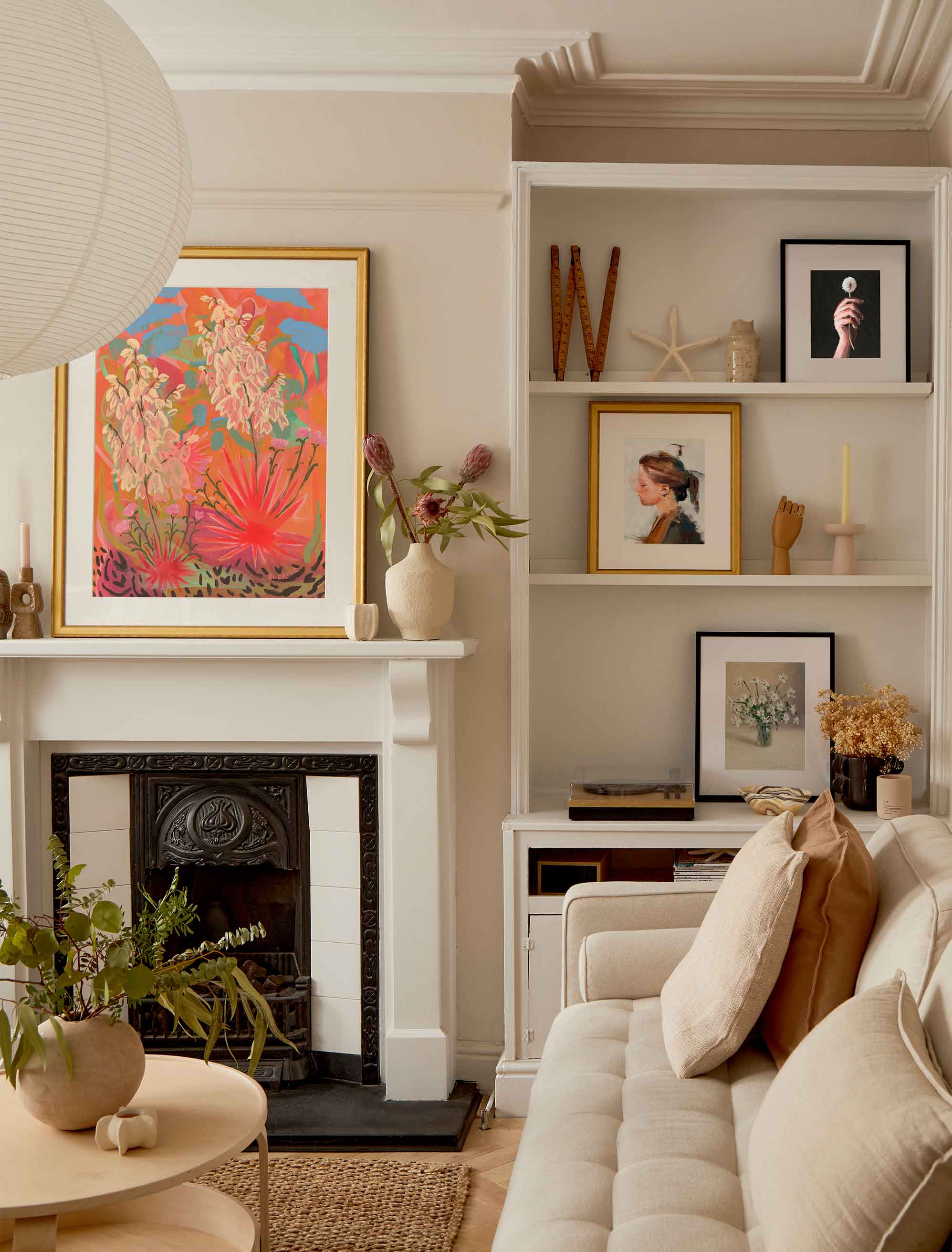
Art sprinkled across a living room can transform a space to a cozy oasis.
Wall art is one of the easiest ways to change how a space feels. A single piece can soften a room, add energy, or make a space feel more personal and lived-in. From framed prints and paintings to photography, textiles, and sculptural pieces, wall art is anything you choose to hang on your walls to express taste, mood, and story.
It does more than fill empty space. Wall art brings color, texture, and focus into a room, helping everything else around it feel more intentional. Whether you’re decorating for the first time or slowly refining your home, understanding the different types and styles of wall art makes choosing pieces feel less overwhelming and more intuitive.
Key Takeaways
- Wall art includes decorative and artistic pieces designed to hang on walls
- Common forms include framed prints, canvas art, original paintings, photography, and textiles
- Styles range from abstract and modern to botanical, minimalist, and classic
- Materials like paper, canvas, metal, acrylic, and wood each create a different visual effect
- The best wall art adds personality, balance, and emotion to a space
- Choosing art is about feeling, scale, color, and personal connection
What Is Wall Art?
At its core, wall art is anything created or chosen to be displayed on a wall for visual impact. It can be flat, like prints and photographs, or dimensional, like sculptural pieces and textile hangings. Some pieces make a bold statement, others quietly support the mood of a room.
What sets wall art apart is intention. It’s meant to be seen, noticed, and felt. Hung at eye level or arranged thoughtfully, wall art helps anchor a space, guide the eye, and give a room its personality. Even subtle pieces can shift how a space feels when they’re chosen with care.
The Most Common Types of Wall Art You’ll See
Wall art comes in many forms, each bringing a slightly different energy to a space. These are some of the most common types you’ll encounter as you explore curated collections and interiors.
Framed Art Prints for a Finished, Timeless Feel
Framed art prints feature artwork or photography printed on quality paper and displayed behind glass or acrylic. The frame itself becomes part of the design, whether it’s warm wood, slim metal, or something more decorative.
Because framed art feels polished and complete, it works beautifully in almost any room. It can feel modern, classic, or relaxed depending on the artwork and frame choice, making it one of the most versatile options for styling walls.
Canvas Prints With a Relaxed, Painterly Feel
Canvas prints are printed on fabric and stretched over a wooden frame, allowing the texture to show through. Without glass, it feels more casual and integrated into a space.
Canvas pieces often blend seamlessly into rooms, adding visual interest without feeling overly formal. They’re especially popular in living areas and bedrooms where you want art to feel approachable and easy.
Original Paintings With Character and Soul
Original paintings are unique works made using mediums like oil, acrylic, watercolor, or mixed techniques. Brushstrokes, texture, and subtle imperfections give each piece a sense of life and individuality.
These works often become emotional anchors in a room. While they can be more of an investment, many people are drawn to originals for the depth and authenticity they bring to a space.
Photography Prints That Set a Mood
Photography wall art captures moments, places, and perspectives, from sweeping landscapes to quiet details. The way a photograph is printed, whether on paper, canvas, metal, or acrylic, influences how bold or soft it feels.
Photography can ground a space in realism or create atmosphere through light, composition, and subject matter. It’s often chosen for the feeling it evokes rather than just what it depicts.
Posters and Reproductions for Easy, Flexible Styling
Posters and reproductions are typically printed in larger quantities and on lighter paper. They’re a great way to experiment with style, color, or theme without long-term commitment.
These pieces work well in casual spaces, creative studios, or rentals where flexibility and change are part of the appeal.
Tapestries and Textile Art for Softness and Warmth
Textile wall art includes woven pieces, fabric hangings, and macramé designs. These add softness, movement, and texture that contrast beautifully with hard surfaces and clean lines.
Textiles can make a space feel warmer and more layered, especially in relaxed or bohemian interiors.
Metal and Wood Art With a Sculptural Edge
Metal and wood art introduce natural and industrial materials into wall décor. Metal often feels sleek and graphic, while wood brings warmth through grain and texture.
These pieces add subtle depth and can act as quiet statement elements that ground a room visually.
Three-Dimensional Wall Sculptures That Add Depth
Wall sculptures extend outward from the wall, creating shadow and physical presence. Often used sparingly, they draw the eye and break up flat surfaces.
When placed thoughtfully, sculptural pieces add architectural interest and make a wall feel dynamic.
Popular Wall Art Styles That Shape The Feel of a Space
Art style influences mood just as much as color or lighting. Different styles can energize a room, calm it down, or add visual rhythm.
Abstract Art for Expression and Movement
Abstract art focuses on color, shape, and form rather than recognizable imagery. Some pieces feel bold and expressive, others soft and atmospheric.
Because abstract art invites interpretation, it adds interest without overpowering a space. It’s especially effective in modern interiors where you want art to feel expressive but open-ended.
Modern and Contemporary Art for a Clean, Current Feel
Modern and contemporary art often features simplified forms, intentional composition, and thoughtful use of space. These pieces tend to feel fresh and balanced.
They pair naturally with contemporary interiors and open layouts, helping a room feel curated rather than cluttered.
Traditional and Classic Art With Familiar Beauty
Traditional art often depicts landscapes, still lifes, or portraits. These pieces feel timeless and grounded, offering a sense of familiarity.
Classic styles can reinforce traditional interiors or add warmth and contrast when mixed with modern furnishings.
Minimalist Art for Calm and Simplicity
Minimalist art uses restraint to make an impact. Limited color palettes, simple shapes, and generous negative space create a sense of calm.
This style suits interiors where you want visual breathing room. It pairs well with Scandinavian, modern, and neutral spaces, allowing the room itself to feel more open and relaxed.
Botanical and Nature-Inspired Art That Feels Grounding
Botanical and nature art draws from plants, landscapes, and organic forms. These pieces often feel soothing and grounding.
They’re easy to live with and work across many interior styles, helping bring a sense of balance indoors.
Geometric Art With Structure and Rhythm
Geometric art uses lines, shapes, and repetition to create visual order. Some designs are bold and graphic, while others feel subtle and pattern-driven.
This style works well in modern and mid-century-inspired interiors, where clean lines and structure already play a role in the design.
Typography and Text Art With Personal Meaning
Typography art centers on words, letters, or phrases as the main visual element. From understated type to bold lettering, these pieces often feel personal.
When the message resonates, text-based art can add warmth, humor, or reflection to a space.
How to Choose Wall Art That Feels Right in Your Space
There’s no single formula for choosing wall art, but a few simple ideas can help guide your choices.
- Let the Space Lead: Pay attention to how the room already feels. Art can echo that mood or gently contrast it, as long as it feels intentional.
- Use Color Thoughtfully: Art can tie into existing colors or introduce something new. Both approaches work when they feel balanced.
- Consider Scale: Pieces should feel proportional to the wall and surrounding furniture. Balance matters more than exact measurements.
- Choose What You Love: Art that resonates with you will always feel right. Personal connection matters more than trends.
- Set a Comfortable Budget: Great art exists at many price points. Focus on pieces that will have the biggest impact where it matters most.
Bringing It All Together
Wall art is deeply personal. It can be bold or quiet, structured or expressive, minimal or layered. From framed prints and canvas pieces to photography, textiles, and sculpture, each choice contributes to how a space feels.
When you focus on emotion and atmosphere rather than rigid rules, your walls naturally become more expressive, balanced, and reflective of you.
FAQs
What’s the Difference Between Wall Art and Wall Décor?
Wall art is chosen mainly for visual expression, while wall décor can include functional items like mirrors or shelves.
How Much Should I Spend On Wall Art?
There’s no fixed amount. The right budget depends on how central the piece is to the space and what feels comfortable for you.
What Size Wall Art Do I Need?
Size depends on wall space and surrounding furniture. Aim for proportions that feel balanced rather than exact measurements.
Can You Mix Different Art Styles In One Room?
Yes. Mixing styles often adds depth, especially when there’s a unifying element like color, spacing, or framing.
Art Included: A Pair of Yucca by Eleanor Baker, Painted Pause Side Profile Study by Dario Moschetta, Dandelion by Marleen Kleiberg, White Daisies by James Zamora
Published on: January 22, 2026 Modified on: April 07, 2026 By: Artfully Walls
Previous: How to Pack Artwork for Moving Without Damage Next: How to Plan a Kitchen Gallery Wall
