Canvas and Framed Prints: Two Beautiful Ways to Style Your Walls
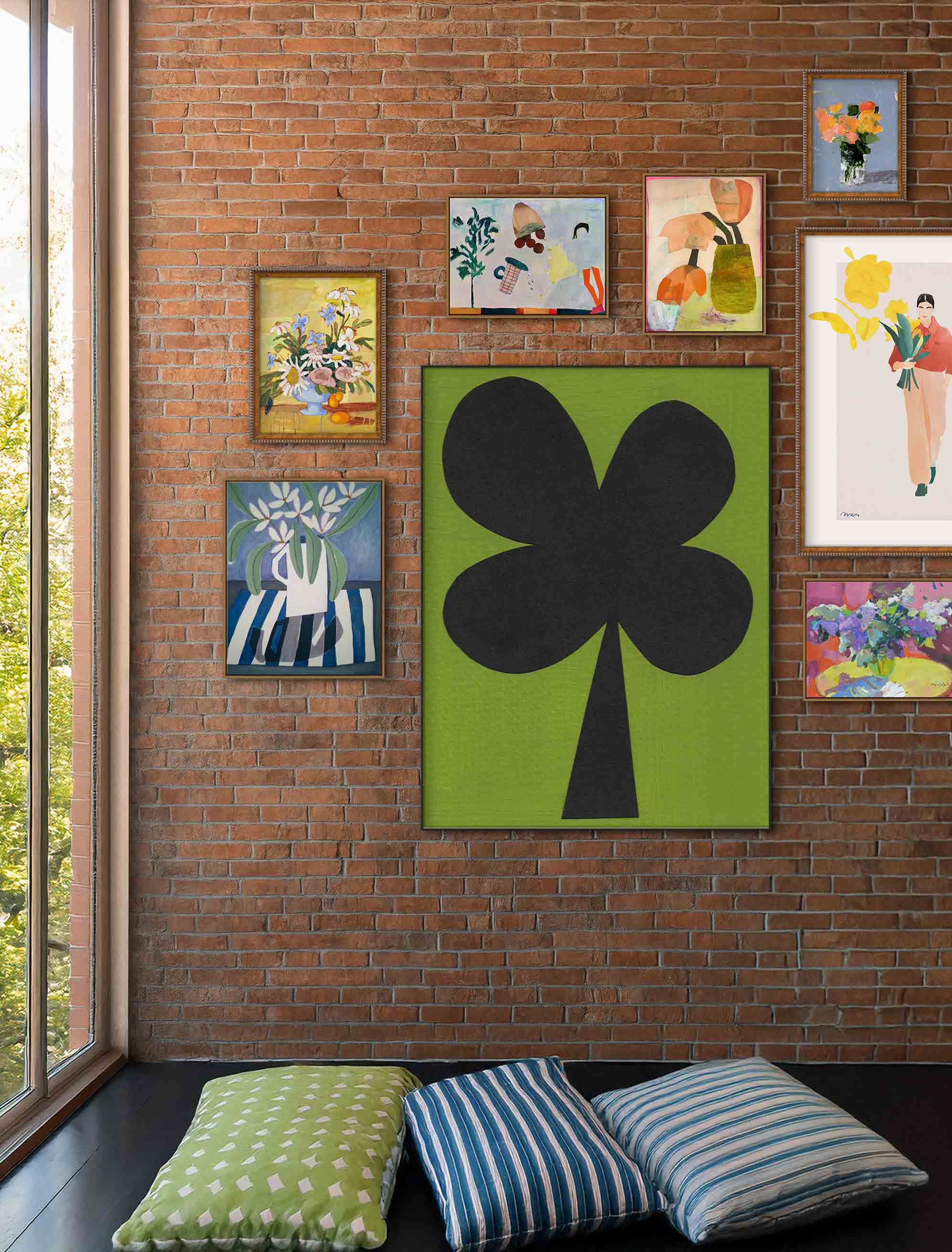
Canvas and fine art paper prints add texture, depth and character to a gallery wall.
Choosing artwork for your home is rarely just about the image itself. The way a piece is presented shapes how it lives in the room. A canvas print carries art differently than a framed print, and each creates its own atmosphere.
Both are thoughtful, elevated ways to display art. The difference isn’t about one being better than the other. It’s about how you want the artwork to feel once it’s on your wall, part of your everyday space.
Key Takeaways
- Canvas prints feel soft, relaxed, and integrated into the room
- Framed prints feel defined, polished, and visually grounded
- Both formats work beautifully in modern interiors
- The room’s mood often guides the presentation more than strict rules
- Many homes naturally include a mix of both
The Ease and Warmth of Canvas Prints
A canvas print is created by printing an image onto textured fabric and stretching it over a wooden frame. Rather than wrapping the image around the sides, the edge of the canvas is left white, giving the piece a clean, finished look.
That detail changes how it feels. Without a visible frame, the artwork still blends gently into the wall, while the white edge adds a subtle sense of structure. Your eye moves across it with ease, which gives the space a relaxed rhythm.
The surface texture adds softness. Colors feel slightly diffused, and photographs take on a warmer tone. Because there’s no glass, there’s no glare, so the artwork looks consistent from different angles and throughout the day.
Canvas tends to feel natural and approachable. It supports the atmosphere of a room rather than directing it.
Where Canvas Feels at Home
Canvas works beautifully in spaces meant to feel comfortable and lived-in.
- Living Rooms: In open living areas with layered textiles, wood tones, and natural materials, canvas helps walls feel effortless. Larger pieces feel expansive rather than heavy.
- Bedrooms: The absence of reflection and sharp contrast makes canvas especially calming in softer lighting. It contributes to a quiet, restful mood.
- Creative Spaces: Studios and home offices often benefit from the texture of canvas. It adds visual interest without becoming distracting.
Oversized artwork also feels lighter on canvas. The scale can be bold without overpowering the room.
The Clarity and Presence of Framed Prints
A framed print surrounds the artwork with a visible boundary. That frame, whether minimal or more pronounced, gives the piece a clear place on the wall.
Behind glass or acrylic, colors feel crisp, and details remain precise. Whites look clean, blacks feel rich, and fine lines stay intact. A mat, if included, creates breathing room and draws attention inward.
Framed prints naturally feel intentional. The border subtly separates the artwork from the environment, giving it presence and structure.
Where Framed Prints Shine
Framed prints often feel especially at home in spaces where you want a sense of composition.
- Dining Rooms: In rooms where furniture and lighting already feel considered, framing reinforces that atmosphere. The artwork feels placed rather than added.
- Entryways: A framed piece can anchor an entry. It gives the eye somewhere to land and makes transitional spaces feel finished.
- Home Offices: Defined edges help framed art read clearly on camera and in structured workspaces. The presentation feels clean and composed.
Photography, typography, and detailed linework often feel beautifully preserved in a framed format, where clarity becomes part of the experience.
How Light and Texture Shape the Experience
Light changes how art lives in a room, and each format responds in its own way.
Canvas absorbs light and maintains a steady appearance from morning to evening. The textured surface becomes part of the artwork’s character, especially up close.
Framed prints interact more directly with light. While placement matters, the payoff is sharpness and depth when viewed head-on. The smooth surface keeps detail intact and colors defined.
Neither effect is inherently better. They simply create different experiences.
Let the Artwork Lead
Sometimes the room guides the choice. Other times, the artwork does.
Painterly landscapes, expressive abstracts, and organic illustrations often feel beautifully at home on canvas. The texture echoes the movement within the piece.
Clean compositions, architectural photography, and graphic artwork often feel striking within a frame, where edges and lines remain crisp.
Pay attention to how the image feels. Does it want to soften into the space, or does it want to stand with clarity? That instinct usually points you in the right direction.
Styling With Both in One Home
Most homes don’t choose just one format, and they don’t need to.
Mixing canvas and framed prints can create depth and dimension. A gallery wall might combine the softness of canvas with the structure of slim wood frames. A large canvas can anchor a living room, while smaller framed pieces add detail in nearby spaces.
What ties everything together isn’t the format. It’s the color palette, subject matter, and overall mood.
When those feel cohesive, the presentation becomes a layer of texture rather than a dividing line.
Making the Final Choice
If you’re unsure, step back and consider the atmosphere you’re creating.
Is the room layered and relaxed? Canvas may feel seamless. Is it structured and refined? Framing may feel natural.
You can also trust your first reaction once the piece is hung. When the artwork feels settled, when you stop noticing the presentation and simply enjoy the image, that’s usually the right choice.
Final Thoughts
Canvas and framed prints are simply two different ways of living with art. One blends gently into the rhythm of a room. The other gives the artwork a defined presence.
Both are thoughtful, elevated options. Both can feel intentional. The beauty lies in how each interacts with your space and your style.
The right choice is the one that feels at ease once it’s on your wall.
FAQs
Are canvas and framed prints equally high quality?
Yes. Both can look refined and intentional when thoughtfully chosen and properly displayed.
Do canvas prints feel more casual?
Canvas often feels softer and more relaxed, which many interiors embrace. That doesn’t make it less elevated, just different in mood.
Do framed prints last longer?
Both formats can last for many years with proper indoor care. Framing offers added surface protection, while canvas benefits from mindful placement.
Can you mix canvas and framed prints in the same room?
Absolutely. Mixing formats adds depth and keeps walls feeling layered and natural rather than overly uniform.
Art included: Clover by Lauri Hopkins, The Taste of Sunlight by Lissa Scotland, Spring Floral by Pamela Munger, Tulips by Meta Wraber, Vigorous Flowering by Shandor Alexander, Just One of Those Days by Janet Bludau, Blue Still Life by Marisa Anon, Small Things Brought Together by Jennifer Allevato
Published on: March 12, 2026 Modified on: April 07, 2026 By: Artfully Walls
Previous: How to Hang 3-Piece Wall Art (Triptych) the Right Way Next: How to Plan a Kitchen Gallery Wall
