Kyoto Revival: Craft, Landscape & Quiet Opulence in 2026 Interiors
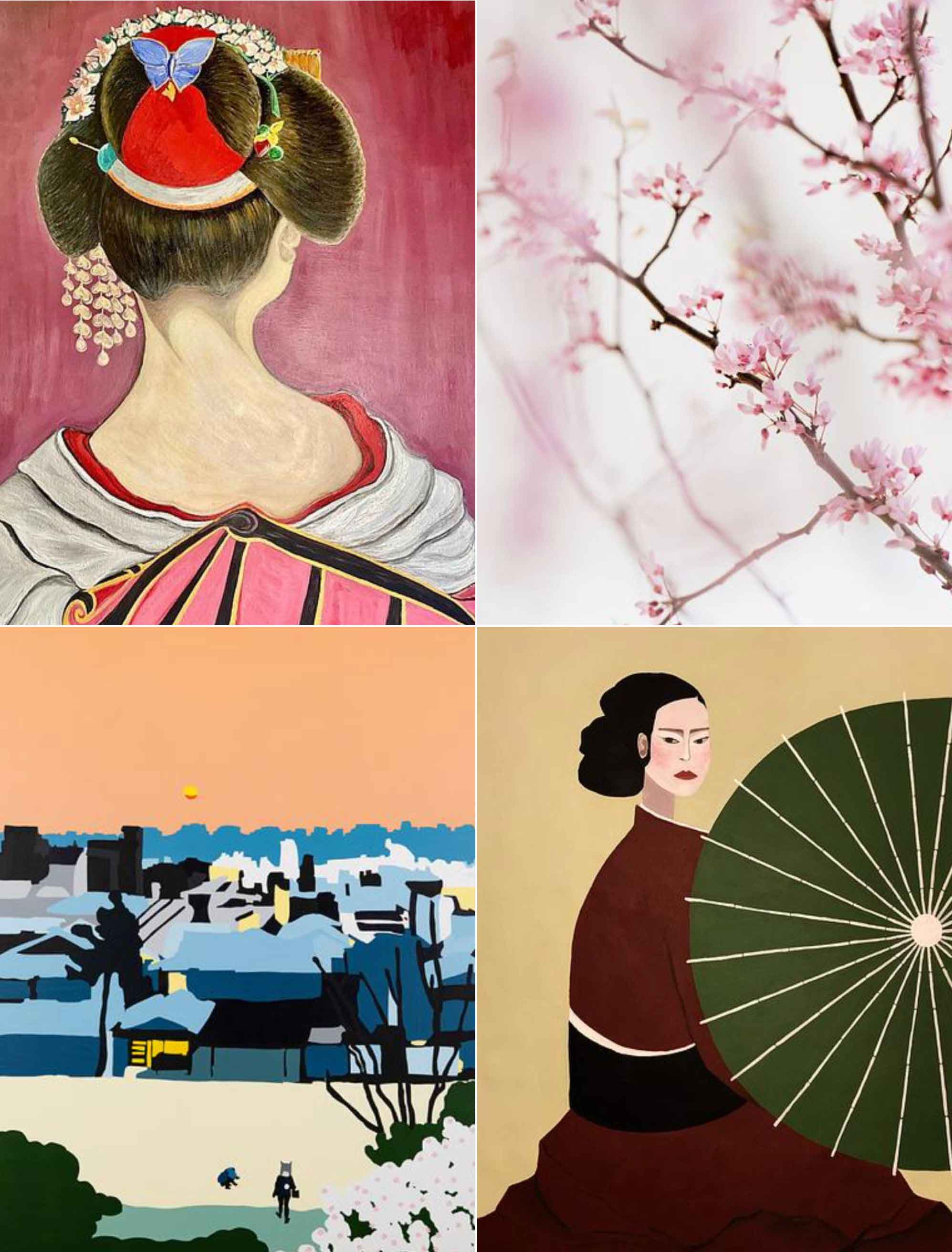
Art inspired by Japenese-inspried design, craft and culture.
Some interior trends arrive with a bang. Kyoto Revival isn’t one of them. It is softer, richer, and far more layered than that.
In 2026, this look is emerging as a broader Japanese-inspired design mood, shaped by craft, landscape, texture, and a quieter kind of beauty. It’s not just about minimalism. Instead, it draws on a broader visual world that feels rooted in Kyoto: gardens, florals, textiles, ceramics, screens, natural materials, and rooms that feel thoughtful rather than overly styled.
That is exactly why it translates so well to wall art. This trend is not asking you to make everything plain or colorless. It’s asking for pieces with atmosphere, softness, depth, or a sense of stillness. The kind of art that helps a room exhale.
Key Takeaways
- Kyoto Revival is a broader Japanese-inspired interiors trend centered on craft, landscape, texture, and calm sophistication.
- The best wall art for this trend feels atmospheric, tactile, nature-led, or thoughtfully composed.
- You don’t have to stick to pale neutrals. Earth tones, inky contrast, mossy greens, warm browns, and faded floral tones can all work beautifully.
- Botanical prints, landscape photography, painterly abstracts, and layered compositions all fit naturally within this look.
- Artfully Walls offers plenty of ways to bring Kyoto Revival home, whether you want something serene and subtle or a piece with a little more richness and drama.
What Kyoto Revival Really Looks Like
This trend works because it balances calm with character. It feels refined and grounded, but never flat.
Kyoto Revival is best understood as a mix of restraint, craft, and quiet richness. You still see the softness people love in Japanese-inspired interiors, including a touch of wabi-sabi in the appreciation of texture and imperfection, but the look as a whole is broader and more expressive. A floral motif instead of a plain surface. A moody landscape instead of a blank wall. A layered abstract instead of something overly polished or graphic.
For wall art, that opens the door to a much more interesting mix. You can lean quiet and tonal, or bring in something richer and more decorative, as long as the piece still feels grounded and considered.
The Colors, Textures & Shapes That Define The Trend
The easiest way to bring this look home is to understand the visual details behind it.
Color-wise, the palette often starts with warm, grounded tones: clay, stone, parchment, soft brown, moss, charcoal, and off-white. But it doesn’t stop there. This trend also leaves room for inky black, muted plum, faded rust, deeper green, and floral tones that add richness without feeling loud.
Texture matters just as much as color. Think paper-like softness, painterly brushwork, photographic grain, woven rhythms, ceramic forms, and artwork that feels like it has some hand behind it. Even when a piece is polished, it should still feel warm rather than slick.
Shapes tend to stay organic, balanced, and easy on the eye. Floral curves, layered landscapes, loose abstracts, and compositions with breathing room all work beautifully here.
The Best Wall Art For Kyoto Revival Interiors
This is where the trend becomes especially useful, because it gives you direction without boxing you in.
Botanical Prints
Botanical art works beautifully with this trend, especially when it feels refined, moody, or slightly sculptural rather than overly sweet. Look for pieces with soft linework, earthy tones, or a sense of seasonality.
Landscape Photography
Kyoto Revival loves atmosphere, and landscape photography delivers that so naturally. Misty scenes, garden-inspired imagery, quiet horizons, water, stone, and shadow all fit the mood.
Painterly Abstracts
Abstract art is a great fit when it feels layered, tonal, and expressive rather than sharp or overly digital. Loose brushwork, soft edges, and organic movement help keep the room feeling calm.
Florals With Depth
This is one of the easiest ways to bring in the richer side of the trend. Florals can add softness, color, and a little decorative lift while still feeling elegant and grounded.
Pieces With Texture Or Craft-Like Detail
Art that feels tactile, even as a print, sits especially well within this look. Anything that suggests paper, fabric, ink, clay, or a handmade process feels right at home.
Artfully Walls is especially well-suited to this trend because the collection is broad enough to let you interpret it your own way. You might go for a soft botanical in the bedroom, a moody photographic piece in the hallway, and a layered abstract in the living room, and it can all still feel connected.
How To Style Kyoto Revival Art At Home
Once you have the right piece, it's the styling that makes the room feel cohesive rather than themed.
The biggest note here is intention. You don’t need to fill every wall, but you also don’t need to strip everything back. A single piece can look beautiful with plenty of breathing room. A pair of works can feel just as right if they create a sense of balance. What matters is that the room feels composed rather than crowded.
Frames should usually stay simple. Natural wood, darker wood, and thin black frames all work especially well because they let the artwork lead. The surrounding materials matter too. Linen, plaster, ceramics, wood, and stone all help support the look and make the art feel like part of the room rather than an afterthought.
This is also a great trend for mixing softness with structure. A gentle floral over a clean-lined console. A moody abstract against pale plaster. A quiet photograph beside a sculptural lamp.
Kyoto Revival Art By Room
One of the best things about this look is that it can shift slightly from room to room while still feeling cohesive.
Living Room
This is a good place to let the trend feel a little richer. A larger landscape, a painterly abstract, or a floral with depth can bring mood without overwhelming the space. If the room already has soft neutrals, art is often where you can introduce more texture or tonal contrast.
Bedroom
In the bedroom, gentler pieces usually work best. Soft botanicals, quiet photography, and calm abstracts all suit the room's slower pace. Think art that feels restful, not sleepy.
Entryway
An entryway is a great place for something with presence. One well-chosen piece can set the tone for the whole home. Try a print with strong composition, subtle drama, or just enough decorative detail to feel memorable.
Bathroom
Bathrooms are perfect for the quieter side of Kyoto Revival. Smaller botanical works, understated photography, and simple abstracts can make the space feel more intentional without trying too hard.
What To Look For When Choosing A Print
The final step is choosing something that feels right in your space, not just right for the trend.
Look for art that feels grounded, layered, and easy to live with. Notice whether the palette sits comfortably with wood, linen, plaster, or stone. Notice whether the piece has a softness or a depth that invites you in rather than shouting for attention.
This is also one of those trends where scale really depends on the room. Smaller and medium pieces often feel especially elegant, but a larger work can look amazing if it still carries that sense of calm and composition.
The good news is that Kyoto Revival is not rigid. You don’t have to get every detail exactly right. The beauty of the look is that it feels collected, personal, and considered. That is part of what makes Artfully Walls such a strong fit. You can find pieces that nod to the trend without feeling theme-y, and build a room that feels warm, layered, and very much your own.
FAQs
What is the Kyoto Revival in interior design?
Kyoto Revival is a Japanese-inspired interiors trend that blends craft, landscape, natural materials, decorative detail, and calm sophistication. It feels layered and thoughtful rather than stark or heavily styled.
Is Kyoto Revival the same as wabi-sabi?
No. Wabi-sabi is one influence within the trend, especially in its focus on imperfection, texture, and simplicity. But Kyoto Revival is broader and also includes florals, textiles, richer tones, and a more expansive sense of beauty.
What kind of wall art works best with Kyoto Revival interiors?
Botanical prints, landscape photography, painterly abstracts, florals, and pieces with visible texture or craft-like detail all work beautifully. The best choices usually feel atmospheric, balanced, and easy to live with.
Do Kyoto-inspired interiors have to be neutral?
Not at all. Soft earthy tones are common, but deeper greens, inky blacks, muted rusts, warm browns, and richer floral tones can also fit the look beautifully.
How do I style art in a Kyoto-inspired room?
Keep the styling thoughtful and relaxed. Use simple frames, give the artwork enough breathing room, and pair it with tactile materials like wood, linen, plaster, stone, or ceramics. The goal is a room that feels calm, layered, and natural.
Art included: Enigma by Solomiya Zelenska, Cherry Blossom No. 1 bu Crystal Lynn Collins, Geisha from Kyoto by Valeria Nikitina, Sunset of Gion by Jude Morales
Published on: March 23, 2026 Modified on: April 07, 2026 By: Artfully Walls
Previous: Canvas and Framed Prints: Two Beautiful Ways to Style Your Walls Next: How to Plan a Kitchen Gallery Wall
