The Tapestry Revival: Why Woven Art Is Having a Moment
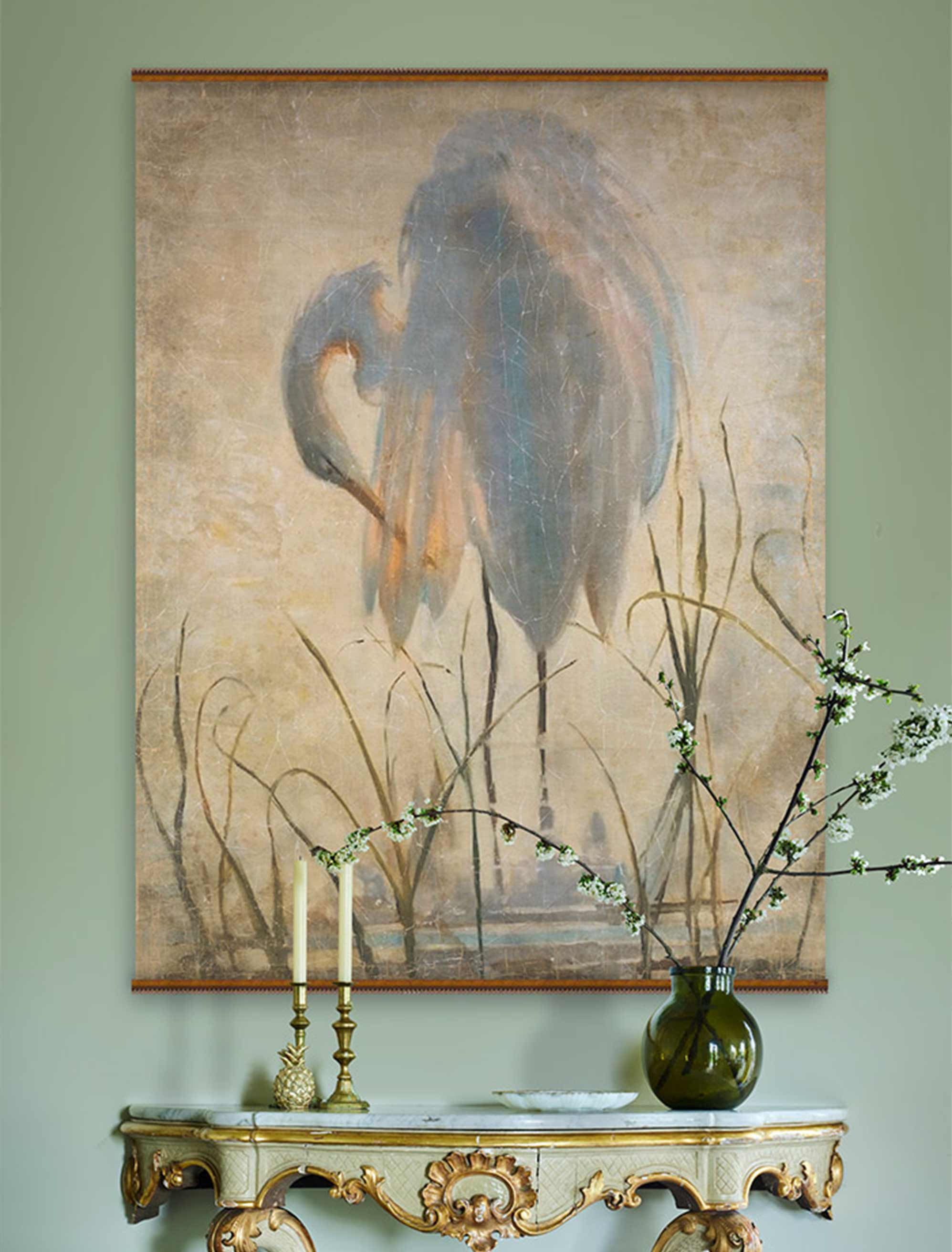
Tapestry wall art makes for stunning statement art, and adds warmth and dimension.
Tapestry wall art is having a moment, and it’s easy to see why. After years of smooth surfaces, white walls, and pared-back rooms, woven art brings back something interiors have been quietly missing: texture, warmth, and the beautiful feeling of something made with care.
This revival isn’t only about traditional woven tapestries. It also includes printed tapestries, textile-inspired art prints, and artworks that borrow from the richness of historic weaving, from botanical borders and layered landscapes to old-world pattern and folk-inspired detail. In a world of flat screens and fast production, tapestry-inspired art offers something softer, more romantic, and more collected.
Key Takeaways
- Tapestry wall art and tapestry-inspired prints are making a comeback because people are craving texture, pattern, warmth, and a more collected feeling at home.
- Contemporary tapestry style includes printed tapestries, woven pieces, macramé, fiber art, and regular art prints inspired by historic textile design.
- Tapestry-inspired art can bring the mood of woven wall art into a room, even when the piece itself is a framed print rather than a textile.
- These pieces work across many interior styles, from maximalist and globally inspired rooms to softer Scandinavian, boho, and modern spaces.
- The long history of tapestry as a decorative art form gives today’s tapestry-inspired pieces a sense of romance, richness, and visual depth.
A Brief History of Tapestry as Art
Tapestry has never been just fabric on a wall. For centuries, it was one of the great luxury art forms, used to tell stories, display wealth, soften rooms, preserve warmth, and turn interiors into complete visual worlds. In medieval and Renaissance Europe, workshops in Flanders, France, and later England created vast woven scenes filled with mythology, courtly life, hunting parties, flowers, animals, and religious imagery. These pieces were beautiful, practical, and portable, making them especially valuable to monarchs and aristocrats who moved between grand homes.
By the late nineteenth century, the Arts and Crafts movement brought tapestry and woven art back into focus as a thoughtful response to industrial production. Figures such as William Morris in Britain and Candace Wheeler in the United States helped position textiles as objects of beauty, skill, and care. Then, in the 1960s and 1970s, fiber artists such as Magdalena Abakanowicz and Sheila Hicks pushed textile work into the contemporary art world, blurring the line between wall art, sculpture, and installation. That history gives today’s tapestry wall art its quiet depth, reminding you that woven pieces can feel soft and domestic while still carrying real artistic presence.
Why Tapestry Is Returning Now
The return of tapestry wall art feels substantial because it answers a real need in contemporary interiors. It brings back touch, softness, and material character to rooms that can otherwise feel a little too flat or polished.
After years of minimal interiors, there’s a growing appetite for objects with visible texture and a sense of making. Woven and tapestry-inspired art can bring that same sense of depth in different ways, through fiber, fabric, pattern, painterly detail, or artwork that echoes the romance of old textiles.
It also has a practical appeal. In homes with hard floors, large windows, open layouts, and fewer soft furnishings, textile wall art can help soften the atmosphere and reduce that echoey, unfinished feeling.
Social media has helped the revival along, too. Warm, layered interiors filled with books, ceramics, plants, vintage furniture, and natural fibers have made the textured wall feel especially desirable. Woven art catches light, creates shadow, and brings quiet movement to a room.
Styles of Tapestry Wall Art in the Contemporary Market
Today’s tapestry category is broader than the word might suggest. It includes woven pieces, printed tapestries, handmade fiber art, macramé, and art prints inspired by tapestry traditions. Some pieces are textile objects, while others borrow the look and feeling of tapestry through pattern, color, composition, and old-world detail.
Tapestry-Inspired Art Prints
Tapestry-inspired art prints are a lovely way to bring the feeling of woven art into your home without choosing a textile piece. These works might reference historic verdure tapestries, botanical motifs, folk patterns, birds, fruit trees, layered landscapes, or richly decorative borders.
They work especially well when you want the mood of tapestry, but still prefer the crispness and versatility of framed wall art. A tapestry-inspired print can sit beautifully in a gallery wall, above a console, or in a bedroom where you want warmth, pattern, and a slightly old-world feel without adding fabric to the wall.
Printed Tapestries
Printed tapestries bring the beauty of artwork into a softer, more relaxed textile format. Instead of placing art behind glass, they let color, composition, and pattern live on fabric, which gives the piece an easy warmth and a more fluid presence on the wall.
They’re a beautiful choice when you want scale, softness, and atmosphere without the formality of framing. In a bedroom, creative studio, reading nook, or layered living space, a printed tapestry can feel artful and relaxed at the same time, adding movement, color, and a lovely textile softness to the room.
Fine Art Jacquard Tapestries
Jacquard-woven tapestries are one of the more refined forms of contemporary tapestry. Made on looms that can create complex color and pattern, they translate detailed artwork into woven form with beautiful depth.
They’re a strong choice if you love painterly, art-led interiors but want something softer than a framed print. A Jacquard tapestry can bring fine art richness to a room while adding the warmth and texture of textile, especially above a sofa, bed, console, or dining bench.
Handwoven and Fiber Art Pieces
Handwoven tapestries and fiber art pieces are closely tied to the craft tradition. They can feel neat and pictorial, loose and abstract, or somewhere between wall hanging and sculpture.
These pieces work well when you want the making process to show. Visible fibers, raised areas, soft edges, and small irregularities are part of their charm, adding warmth, soul, and a quiet handmade feel to a room.
Macramé and Knotted Wall Art
Macramé is knotted rather than woven, but it fits naturally within the tapestry revival. It shares the same love of fiber, texture, and handmade detail.
It works especially well in relaxed, boho, nursery, sunroom, and bedroom spaces. Because it brings texture without needing strong color or imagery, macramé is a lovely way to soften a wall while keeping the palette calm.
How to Style Tapestry Wall Art
Tapestry wall art needs a little breathing room. Because the texture is part of the impact, it usually looks best on a relatively plain wall where the fibers, colors, and edges can be seen clearly.
Pair it with natural materials. Wood, rattan, linen, stone, ceramic, wool, and aged brass all sit beautifully beside woven art because they share the same sense of touch and material warmth.
Scale matters, too. A tapestry or tapestry-inspired artwork should feel confident on the wall. If it’s too small, it can lose the atmospheric quality that makes textile art so special. Above a sofa or bed, choose something that relates generously to the furniture below it. In a hallway, nook, or narrow wall, a slimmer piece can work well if it has enough length or texture.
Natural light is your friend. Side light brings out the threads and shadows in woven pieces, while helping framed tapestry-inspired prints feel warmer, richer, and more dimensional. If you can, hang a tapestry somewhere it’ll catch soft daylight rather than relying only on overhead lighting.
Tapestry Wall Art by Interior Style
One of the strengths of tapestry-inspired art is its adaptability. Depending on color, pattern, fiber, and scale, it can feel historic, relaxed, minimal, bohemian, refined, or playful. That makes it a lovely choice when you want your art to feel connected to the room, not simply placed on top of it.
Maximalist and Globally Inspired Interiors
In maximalist spaces, tapestry-inspired art can be bold, expressive, and richly layered. Look for ornate patterns, jewel tones, botanical motifs, birds, fruit, figural compositions, and pieces that feel collected rather than perfectly matched.
A tapestry, printed textile piece, or tapestry-inspired print can hold its own among layered rugs, bookshelves, velvet upholstery, ceramics, plants, and vintage furniture.
Japandi and Minimal Interiors
Tapestry-inspired art can also be beautifully quiet. In Japandi and minimal interiors, look for undyed fibers, soft neutrals, restrained geometric compositions, and plenty of negative space.
The goal is warmth without clutter. A simple woven piece above a low bed, beside a wood bench, or in a calm corner can make a minimal space feel more human without making it feel busy.
Warm Scandinavian and Hygge Spaces
Warm Scandinavian and hygge-inspired rooms are natural homes for woven and tapestry-inspired art. These spaces are built around comfort, texture, and ease.
Look for wool, linen, folk-influenced patterns, and palettes of cream, ochre, rust, moss, and forest green. A tapestry in this setting doesn’t need to shout. It can simply deepen the feeling of softness and domestic comfort.
Boho and Eclectic Spaces
Boho and eclectic interiors are perfect for macramé, loose fiber art, earthy tones, fringe, and organic shapes, and tapestry-inspired prints with a collected, handmade feel. These rooms are about personal layers, not perfect symmetry.
A tapestry can sit above a vintage dresser, over a low bed, beside hanging plants, or near a rattan chair. It should feel like part of the room’s story, not like a piece dropped in to complete a formula.
Final Thoughts
The tapestry revival isn’t just a passing decorative mood. It’s a return to something that has always belonged in inviting interiors: texture, warmth, pattern, craft, and the quiet presence of pieces that feel storied.
In a visual world that often feels flat, digital, and endlessly reproducible, tapestry wall art and tapestry-inspired prints offer something different. They bring softness, romance, color, and a sense of history, whether through actual fiber or through artwork that borrows from the language of woven design.
For a home that feels layered, warm, and personal, tapestry-inspired wall art is a lovely place to start. Artfully Walls’ tapestry collection and tapestry-inspired art prints include pieces that echo the richness of textile traditions while still feeling fresh, modern, and easy to live with.
FAQs
What is tapestry wall art?
Tapestry wall art usually refers to textile-based art designed to hang on a wall, but the contemporary category can be broader. It can include woven tapestries, printed textile pieces, macramé, fiber art, and art prints inspired by tapestry patterns, colors, and historic textile design.
How do I hang a tapestry on a wall?
You can hang a tapestry with a rod, wooden dowel, hanging sleeve, clips, or small wall hooks, depending on the piece. A rod or dowel usually gives the cleanest look because it helps the textile hang evenly. Artfully Walls tapestries come with wooden hanging rods, making them easy to style from the start.
What size tapestry should I choose for my living room?
Choose a tapestry that feels generous in relation to the wall and furniture around it. Above a sofa, a good rule is to choose a piece that spans about two-thirds of the sofa's width. Smaller pieces work better in nooks, hallways, or layered arrangements.
Does tapestry wall art suit a modern interior?
Yes. Tapestry wall art and tapestry-inspired prints can suit a modern interior when the style is chosen carefully. Minimal woven pieces, soft neutrals, abstract compositions, and framed prints with subtle textile-inspired detail can add warmth without making the room feel rustic or overly decorative.
What is the difference between a tapestry and a woven wall hanging?
A tapestry traditionally has an image or pattern created through the weave itself. A woven wall hanging is a broader term and often refers to more abstract, textured, or sculptural fiber pieces. In interiors, the terms often overlap, but tapestry usually suggests an image or pattern, while a woven wall hanging usually suggests texture first.
Art included: Morning Ritual Tapesty by Helli Luck
Published on: May 20, 2026 Modified on: May 24, 2026 By: Artfully Walls
Previous: Where to Hang Art in a Bedroom: Layout Ideas That Set the Mood Next: How to Plan a Kitchen Gallery Wall
