The Power of a Pop of Color: How One Bold Hue Can Transform a Room
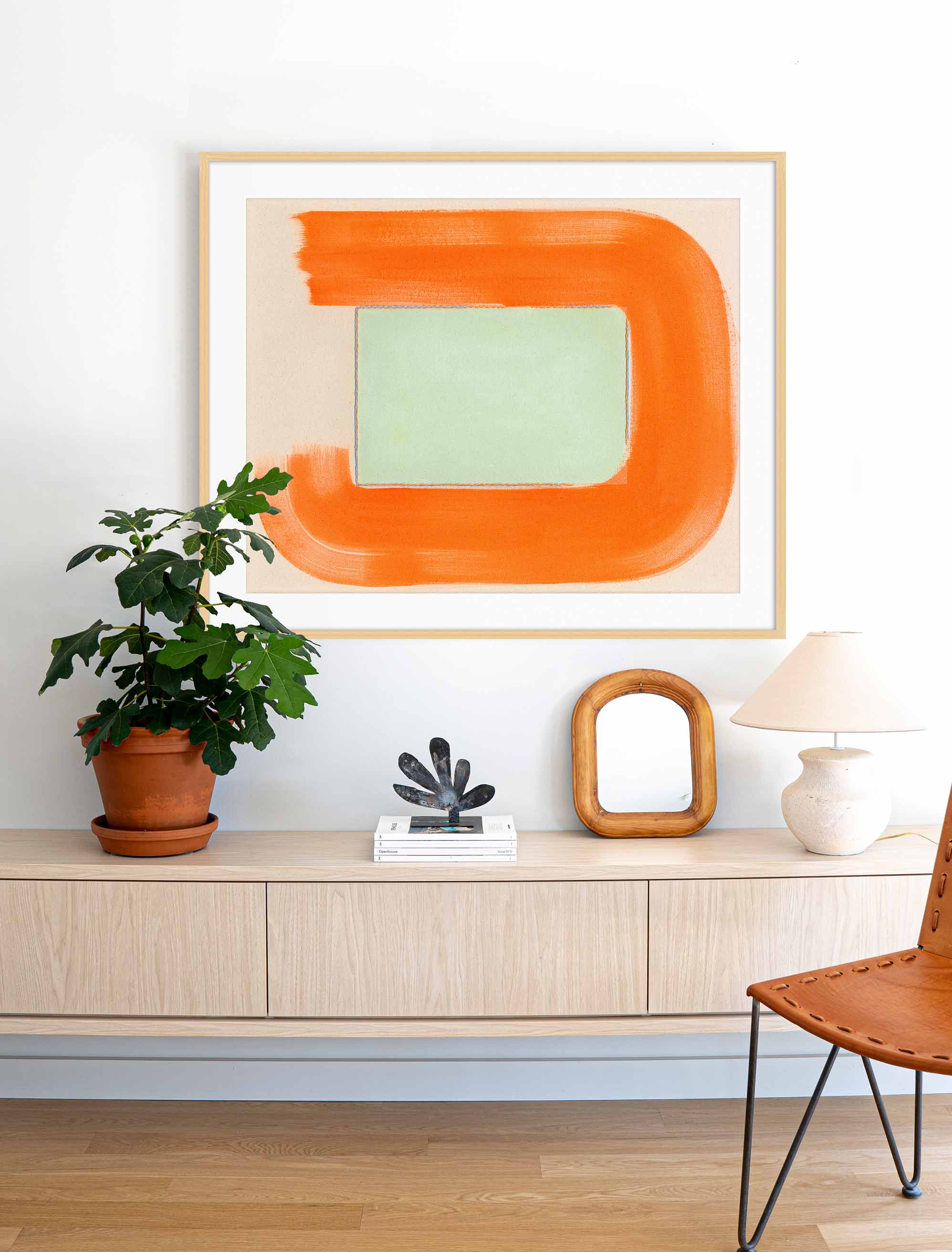
A simple pop-up of color makes for super chic statement art.
A pop of color is one of the simplest ways to completely shift how a room feels, and it’s often the most overlooked. You don’t need to repaint a wall or replace furniture. Sometimes, all it takes is one bold piece of wall art in exactly the right hue.
That’s where the impact really comes from. A single, well-placed pop of color in wall art feels intentional. It stands out because it’s deliberate, not scattered across the room. Instead of blending in, it creates a focal point, something your eye lands on immediately, and that changes the energy of the entire space.
Key Takeaways
- One bold piece of wall art can completely change the mood of a room, often with less effort than bigger design updates.
- A single standout hue creates more focus and impact than layering in lots of competing colors.
- The color you choose shapes the atmosphere, with warm tones adding coziness and energy, and cooler tones bringing calm and openness.
- The best pop of color feels connected to the room, not random, especially when it picks up on tones already in the space.
- Size and placement matter just as much as color, because the piece needs enough presence to read instantly and anchor the room.
Why One Bold Color Does More Than a Whole Palette
It’s tempting to add more color when a space feels flat, but in most cases, less actually does more.
When you introduce one strong hue against a neutral backdrop, it becomes clear and focused. Your eye knows exactly where to go. Add too many colors, and that clarity disappears. Instead of a focal point, you get visual noise.
That’s why a single pop of color works so well in wall art. It creates contrast, gives the room structure, and adds energy without overwhelming everything else around it.
How Different Colors Change the Feel of a Room
Not all color pops do the same thing. The hue you choose will shape how the space feels day to day, so it’s worth thinking about what kind of atmosphere you want to create.
Warm Pops That Add Energy and Depth
Terracotta, coral, amber, and deep red tones instantly bring warmth to a room.
They tend to make a space feel more intimate and inviting, which works especially well in living rooms, dining areas, and kitchens. These colors feel grounded and generous, like the room is drawing you in rather than opening outward.
Cool Pops That Create Space and Calm
Cobalt, teal, deep navy, and sage introduce a different kind of energy.
They visually open up a room, making it feel lighter and more expansive. These tones are especially useful in bedrooms, offices, or smaller spaces where you want a sense of calm without losing interest.
Unexpected Pops That Make the Room Feel Considered
Some of the most interesting spaces use color in a slightly unexpected way.
Chartreuse, mustard, or even a deep, warm black can shift a room from safe to something more intentional. These tones create subtle contrast, adding depth and making everything else in the room feel more thought-through.
Choosing a Pop of Color That Actually Works in Your Space
The best pop of color doesn’t feel random. It feels like it belongs there, even if it stands out.
Start by looking at what’s already in the room. If everything leans warm, a slightly cooler tone can create balance. If the space feels neutral or flat, a richer, more saturated color can bring it to life. Light matters too. Rooms with a lot of natural warmth can handle deeper tones without feeling heavy, while cooler or dimmer spaces often benefit from warmer, brighter hues.
A simple trick is to pick up on a color that already exists in small ways, in a pillow, a rug, or a detail in the room, and amplify it through your wall art. That’s what makes the color feel intentional rather than added on.
Scale and Placement: Let the Color Do Its Job
Even the perfect color won’t have much impact if the scale is off. A small print on a large wall won’t carry enough presence. For a pop of color to work, it needs to be visible as soon as you enter the room, not just when you’re standing right in front of it.
As a general rule, aim for a piece that feels proportionate to the furniture below it; around two-thirds of the width works well above a sofa or console. Giving the piece some breathing room also matters. If too many other elements surround it, the color loses its clarity.
Keep it centered, at eye level, and let it stand on its own. That’s what gives it impact.
Pop of Color Wall Art by Room
A pop of color can work anywhere, but how you use it changes depending on the room.
Living Room
This is where a bold color really pays off.
A single large print above the sofa can define the entire space, adding energy and creating a clear focal point without needing anything else around it.
Bedroom
In the bedroom, it’s better to keep the color more considered.
Deeper or softer tones work well here, adding warmth and depth without feeling too stimulating. A single piece above the bed is usually enough.
Kitchen and Dining Room
These spaces naturally suit warmer tones.
Terracotta, amber, or deeper reds bring in a sense of warmth and appetite, making the space feel more inviting without needing much else.
Home Office
A pop of color can help keep the space feeling active.
Blues, teals, and warmer yellows work well at eye level, adding just enough energy to support focus without becoming distracting.
Hallway and Entry
This is one of the best places to use a bold color.
A single strong piece sets the tone immediately. It gives the space personality from the moment you walk in, without overcomplicating it.
What to Pair With a Pop of Color Print
Once you’ve chosen your color, what you place around it matters just as much.
Neutral walls are your best friend here. Warm whites, soft grays, or natural tones give the color space to stand out without competing. The cleaner the backdrop, the stronger the impact.
Natural materials help ground the look. Wood, linen, rattan, or stone soften the boldness of the color and make it feel more lived-in rather than overly styled.
You can also echo the color subtly around the room. Think a cushion, a throw, or a small object in a similar tone. It doesn’t need to match exactly, just enough to create a sense of connection so the color feels intentional rather than isolated.
Keep framing simple. Clean black, white, or natural wood frames let the artwork do the work. Anything too decorative can pull attention away from the color itself.
Final Thoughts
A pop of color is one of the simplest ways to change how a room feels, but it works best when it’s done with intention.
It’s not about choosing the brightest piece you can find. It’s about choosing the right color, giving it enough space, and letting it stand on its own.
When you get that balance right, even a single piece can shift the entire room. It adds focus, energy, and a sense that the space has been thoughtfully put together, without needing to change anything else.
FAQs
What Is a Pop of Color in Interior Design?
A pop of color is a single bold or saturated hue introduced into a space, often through artwork or decor, to create contrast and draw attention.
How Do I Choose the Right Bold Color for My Room?
Start with your existing palette. Look for a color that either contrasts or complements what’s already there, and think about the mood you want the room to have.
How Large Should a Pop of Color Print Be?
It should be large enough to be noticed from across the room. Above furniture, aim for around two-thirds of the width to create a balanced focal point.
Can a Pop of Color Work in a Neutral or Minimal Interior?
Yes, it works especially well. A single bold piece can add interest and warmth without disrupting the simplicity of the space.
How Do I Stop a Bold Art Print From Looking Out of Place?
Make sure it relates to the room in some way, through tone, material, or small repeated accents. Keeping the surrounding elements simple also helps the piece feel intentional.
Art included: Celery Orange Curve by Emily Keating Snyder
Published on: April 27, 2026 Modified on: April 28, 2026 By: Artfully Walls
Previous: Scribbles, Sketches, and Freehand Flair: The Case for Imperfect Art Next: How to Plan a Kitchen Gallery Wall
