Cozy Home Decor With Art Prints: Warm, Personal Room Ideas
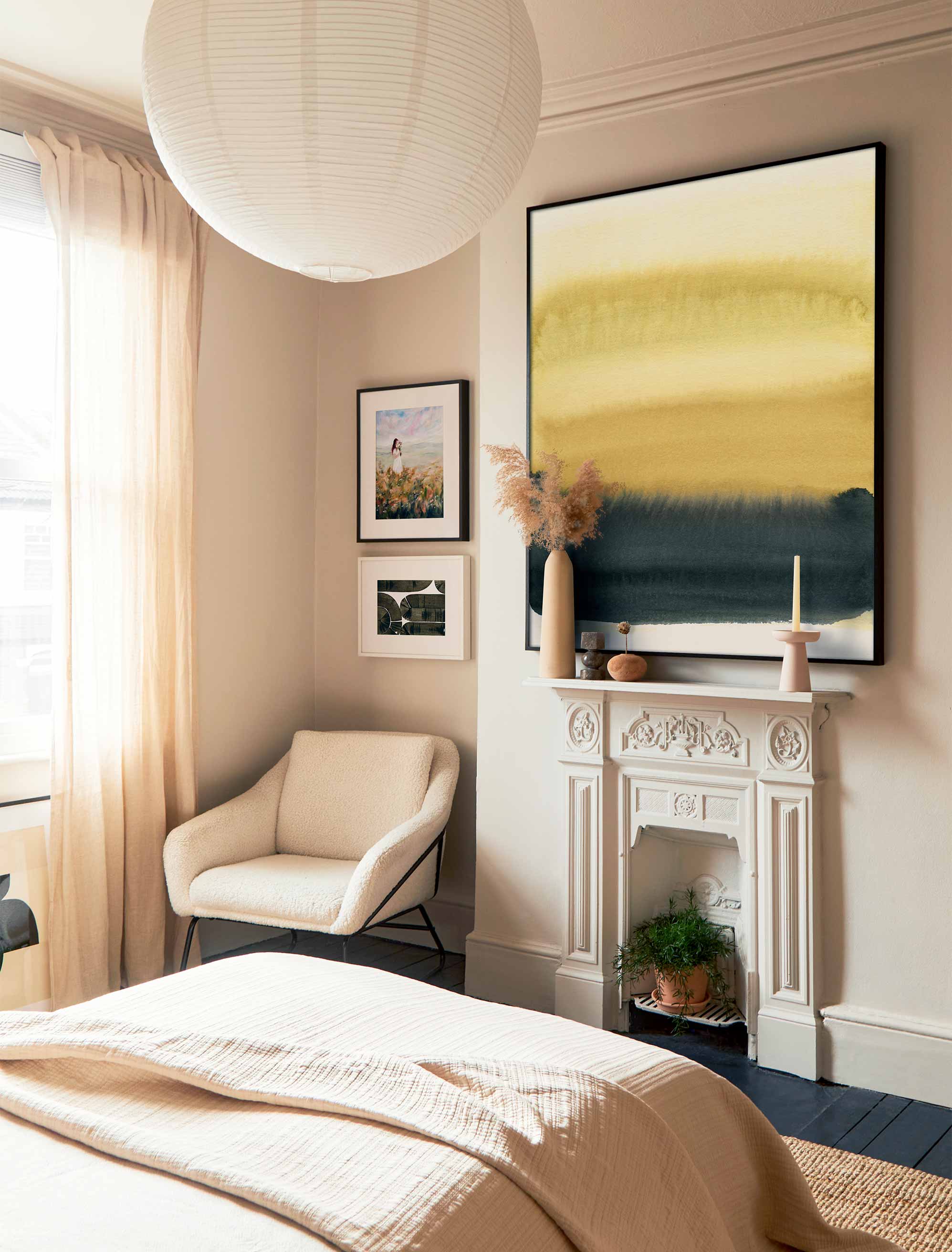
A cozy home comes from comfort first, then art that echoes the colors and pieces you already love.
Cozy home decor starts with comfort, good light, and a few personal touches, and art is one of the loveliest ways to pull it all together. If your room has the furniture in place but still feels a little unfinished, the right print can warm it up and tie everything together, no big overhaul required.
Cozy home decor combines comfortable furnishings, gentle lighting, and personal details that make a room feel welcoming, and art prints can connect those elements through color, subject, and framing. Start with a piece you enjoy, repeat a color already in the room, and get a feel for the size before adding anything else. Art does the connecting here rather than the heavy lifting, so browse the art prints collection with your own room in mind, and let the rest of this guide help you choose.
Key Takeaways
- Comfort, soft lighting, and personal details make a room cozy, far more than any single color or style.
- Repeating one color already in the room is an easy way to tie art to your furnishings.
- The whole framed piece, mat and frame included, takes up more wall than the printed image alone.
- A gallery wall of smaller prints can feel just as cozy as one large piece, depending on the wall and the look you want.
- The frame finish shapes a room’s mood as much as the art, so it’s worth choosing alongside the print.
What Makes a Home Feel Cozy?
Personal details give a room its lived-in warmth, far more than any single color or style does. Cozy can be colorful or spare, modern or collected, so there's no one look you have to copy to get there.
Comfort comes first. Soft seating, a throw within reach, and lighting you can actually relax under matter more than filling every corner, and clear paths to walk and a spot to set down a cup do a lot of quiet work. It's worth letting go of the idea that cozy has to mean beige, too. A room full of soft neutrals can feel wonderfully calm, but so can a space with deep color, pattern, or a few bold pieces, because cozy is really about ease and personality rather than a particular palette.
A bright, sunny room might love a calmer palette on the walls, while a darker room often warms up with a lamp or two and art that adds a glow of its own. Once the basics feel right, art is what makes the room unmistakably yours: a subject you love, a color you keep coming back to, a scene that means something.
You don't have to fill every empty wall, either, since a little bare space gives the eye somewhere to rest. That personal layer, chosen rather than crammed in, is the part that turns a furnished room into a welcoming one.
Choosing Art That Connects With Your Room
An existing color in your room gives you the easiest starting point for choosing art. Rather than matching everything, you might pick one tone that's already in play in a rug, a cushion, the wood of a table, and let the art echo it. Here's how that tends to look.
Pale Neutral Seating
A soft, neutral sofa with a piece that adds gentle warmth, soft abstract shapes, or a quiet nature scene keeps the calm while adding a little interest. A frame or a nearby textile in a tone you already own ties it in nicely, and a gentler piece usually feels more at home here than something high-contrast.
Dark Furniture
Against darker furniture, a lighter or warmer landscape print lifts the room so it doesn't feel heavy, and a natural wood or pale frame can bridge the two. The one thing to watch is a piece so dark it melts into the furniture behind it, which is easy to sidestep once you know to look for it.
A Colorful Rug or Textile
When a rug or throw already brings the color, the art can happily stay quieter and pull just one shade from it. Abstract shapes or a simple botanical are lovely here, since they nod to the palette without trying to repeat every hue.
A Compact Reading Corner
In a small, personal spot, go for a subject you genuinely enjoy, since you'll see it up close every day, and a single print above a chair is plenty. If you're drawn to richer, grounded palettes, there's a whole world of earth-toned wall art to play with.
Getting Scale and Framing to Feel Right
The size of the finished, framed piece is what decides how much wall it fills, not the printed image on its own. A mat, the border of paper or card around an image, and the frame all add to that footprint, so a modest print can end up taking up more wall space than you'd expect.
The easiest way to get it right is to see it before you commit. Measure the wall and the furniture below it, then picture the whole piece, frame and all, in that space. A paper template cut to the outer size and taped up lets you look at it from where you'll actually sit and from the doorway, which tells you more than any measurement.
One larger piece and a small grouping both work beautifully, so it really comes down to the wall and the feeling you want. On a broad, bare wall, one larger piece often feels calmer than several small ones, and the frame you choose shifts the mood as much as the art does, so it's worth treating as part of the piece. For hanging, follow the guidance for your particular hardware and wall.
Bringing Art, Lighting, and Textiles Together
Nearby lighting changes how you see an artwork's colors and any glare off the glass. Moving a lamp you already own a little is often all it takes to make a piece look its best, with no special fixtures needed.
It helps to look at the wall in daylight and again in the evening, since a print can feel like two different pieces depending on the light. Check for glare from where you usually sit, and nudge a lamp or the frame until it settles. Then let the art talk to something soft in the room, pulling its color into a cushion or throw you already have, and the whole corner starts to feel connected.
A frame finish can help too, and natural wood is one lovely option rather than a rule. In a bedroom, this is an easy way to warm up the space over a dresser or beside the bed, and the wall above the headboard has its own set of above-bed wall decor ideas worth borrowing from.
A Few Things Worth a Look Before You Buy
A quick glance at a few details saves you from a mismatched size or a surprise at checkout. Nothing fussy, just worth a look:
- The outer dimensions (frame and mat included), not just the printed image.
- Whether the listing comes with the frame and mat, or just the print.
- A color or two that already appears somewhere in the room.
- Placement and glare from where you'll sit most of the time.
- What the piece needs to hang on your particular wall.
And there's no rush to fill a wall in one go. Buying gradually is a perfectly lovely way to let a room come together.
Start With One Wall You See Every Day
One considered art choice gives your next room update a clear, low-pressure place to start. You don't need a whole plan, just one wall you look at often and one color worth echoing.
A nice first move: photograph the room in the light you usually see it in, pick a color connection, and browse a short list rather than the whole catalog. The Designer Picks are a gentle way in, a hand-picked edit instead of an endless scroll. Start small, start personal, and let the room grow cozier from there.
FAQs
How do I decorate my home to feel cozy?
Start with comfortable seating, useful light, and a few personal details. Then add art that connects with the room you already have, echoing a color or a mood, rather than replacing everything at once. Small, personal touches do most of the work.
What are some cozy decor ideas for my home?
Try a print above a favorite chair, move an existing throw into daily use, and reposition a lamp to soften glare on the glass. Art is one part of a cozy room, alongside comfort, light, and a little texture.
How can I make a small living room cozy without clutter?
Use the wall instead of crowded surfaces. Choose one well-sized piece, get a feel for its full framed footprint before buying, and leave usable space around it. A room doesn't need every wall filled to feel finished.
How can I create a cozy room on a budget?
Reuse the furniture and textiles you already have, then decide on one art piece that ties the room together. Add more slowly over time if you’d like, so the room builds up at a pace that suits you.
How can I choose cozy decor that won't feel dated quickly?
Choose subjects you genuinely enjoy and colors that work with pieces you plan to keep. Treat trend labels as inspiration rather than proof that something will last, and your choices tend to age more gracefully.
Art included:
Good Feeling and Immense Peace by Georgiana Paraschiv, Bends of Bamboo 2 by Evgeny Vetrov, Lost in the Beauty by Terrah Ray
Published on: October 23, 2026 Modified on: October 26, 2026 By: Artfully Walls
Previous: A Short History of Large-Scale Art Next: Powder Room Wall Art Ideas: Bold Looks for Small Spaces
