Art Print vs Poster: What’s the Real Difference?
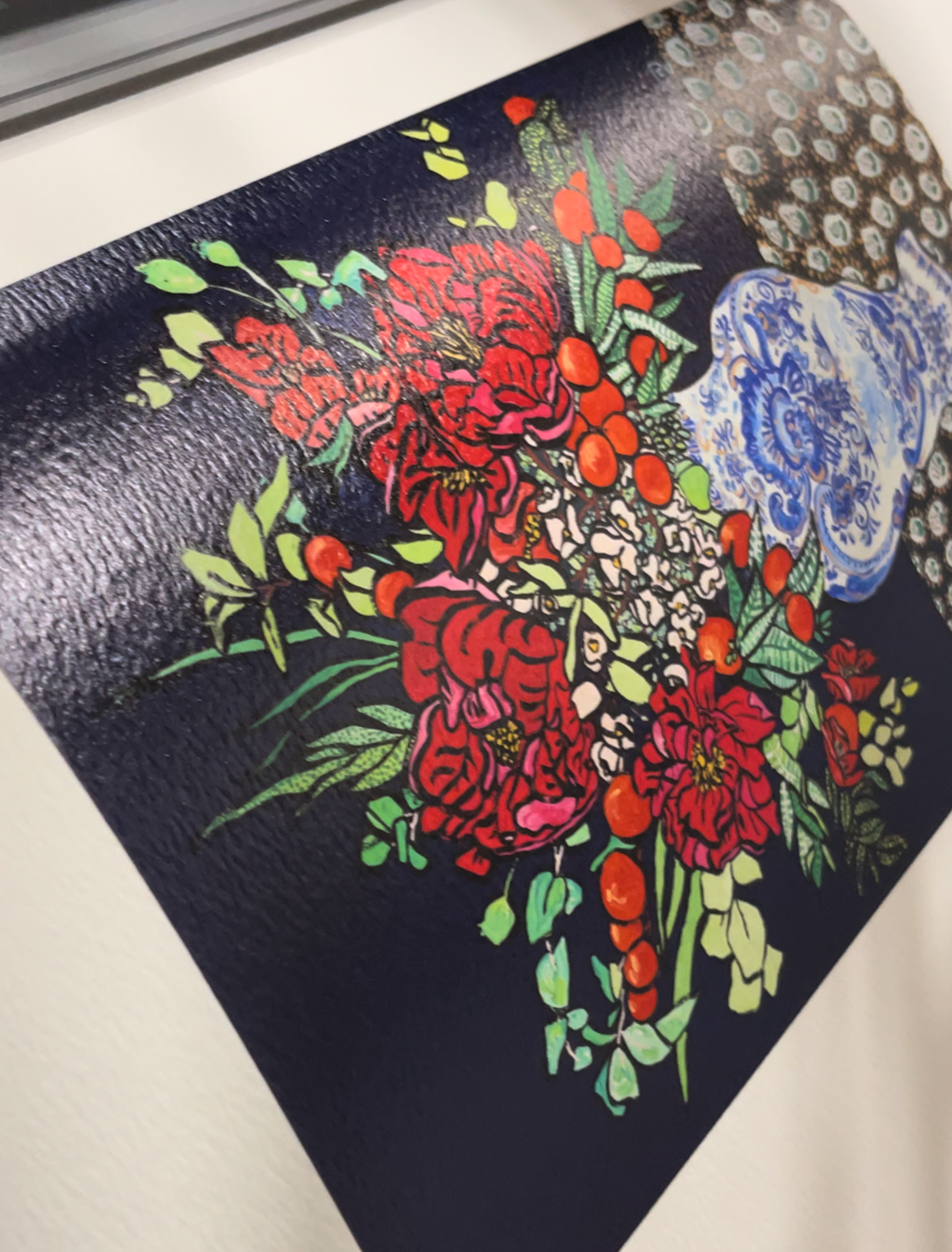
A giclee art print produced with archival inks on luxurious 320gsm fine art paper.
Art prints and posters are often talked about as if they’re the same thing. They hang on walls, feature artwork, and, at a glance, can look similar. But they’re made very differently, and they’re meant to serve different purposes in a home.
An art print is typically created with longevity in mind. It’s printed on higher-quality paper, using professional methods designed to preserve color and detail over time. A poster, by contrast, is usually produced for accessibility. It’s affordable, easy to replace, and designed for more casual or temporary display.
Understanding the difference helps you decide what belongs where, whether you’re decorating your first apartment, refreshing a room, or investing in pieces you plan to live with for years.
Key Takeaways
- Art prints are made on premium paper using professional printing methods
- Posters are mass-produced on standard paper for affordability
- Art prints are designed to hold their color and quality long-term
- Posters are best suited for short-term or casual use
- The right choice depends on how long you want the piece to last and where it will hang
What People Usually Mean by “Art Print”
An art print is a high-quality reproduction of an original artwork, illustration, or photograph. It’s printed using professional techniques on fine art paper chosen specifically for durability and color accuracy.
These papers are thicker, often textured, and designed to resist yellowing or fading. Combined with pigment-based inks, they help artwork retain its original look over time. Some art prints are produced in limited editions, sometimes signed or numbered, while others are open edition but still printed to a high standard.
The defining feature of an art print isn’t exclusivity, it’s intention. The goal is to create something meant to be displayed, framed, and enjoyed for the long run.
What a Poster Is (and What It’s Good At)
A poster is designed to be affordable and widely available. It’s usually printed on lighter-weight paper using commercial printing methods that allow large quantities to be produced quickly.
Posters often feature popular imagery, graphic designs, or reproductions of well-known artwork. They’re easy to swap out, easy to frame simply, and easy to live with if your style or space changes often.
Posters play an important role. They make art accessible and let you experiment without commitment. They’re just not designed with permanence in mind.
Where the Differences Start to Matter
The gap between art prints and posters becomes most apparent in materials, production, and how the piece holds up over time.
The Paper It’s Printed On
Art prints use heavier, archival-quality paper designed to stay stable for years. The surface might be smooth, matte, or lightly textured, adding depth and character to the artwork.
Posters are typically printed on standard commercial paper. It’s thinner and more flexible, which helps keep costs low but also makes it more prone to wear, creasing, and yellowing.
How the Artwork Is Printed
Art prints are produced using professional printing processes that prioritize accuracy and detail. The inks and printers are calibrated to reproduce subtle color shifts and fine lines faithfully.
Posters are printed using faster, more economical methods. They’re designed to look good from a normal viewing distance, but they don’t capture the same level of nuance.
Color and Detail Over Time
With an art print, colors tend to stay richer and more balanced as the years go on. Blacks remain deep, lighter tones stay clean, and gradients feel smooth.
Posters can look perfectly fine when new, but over time, they’re more likely to fade or lose vibrancy, especially if they’re exposed to sunlight.
Limited Runs vs Mass Production
Some art prints are created in smaller runs, which can add a sense of care and collectibility. Even open-edition art prints are typically produced with more attention to consistency and finish.
Posters are produced in large quantities. That’s part of what makes them affordable, but it also means there’s no real limit to how many exist.
How They Feel When You See Them Up Close
One of the easiest ways to tell the difference between an art print and a poster is simply to spend a moment with it.
Looking Closely
Art prints tend to hold together beautifully when you step closer. Lines stay crisp, colors transition smoothly, and the paper surface adds to the overall feel.
Posters often reveal their commercial nature up close. You might notice dot patterns, flatter color, or a lack of depth in detailed areas.
Overall Presence on the Wall
Art prints usually feel more grounded and intentional. They have weight, both visually and physically, and they tend to anchor a space.
Posters feel lighter, both literally and visually. That can be exactly what you want in certain rooms, especially where flexibility matters.
The Way They Feel in Your Hands
Art prints feel substantial. The paper has weight, texture, and a sense of quality that’s immediately noticeable.
Posters feel thin and flexible. They’re easy to handle and easy to replace, but they don’t offer the same tactile experience.
Where Art Prints Really Shine
Art prints tend to feel most at home in spaces where you want things to feel settled and intentional.
Rooms You’re Decorating for the Long Term
If you’re choosing art for a living room, dining room, bedroom, or home office you expect to live with for years, art prints usually make sense. They’re designed to hold their color and character over time, which makes them feel like part of the room rather than a placeholder.
These are the pieces you frame properly, hang carefully, and build the rest of the space around.
Professional or Public-Facing Spaces
In offices, studios, or any space where guests or clients spend time, art prints tend to communicate care and thoughtfulness. The materials, finish, and overall presence feel more deliberate, which subtly shapes how the space is perceived.
It’s less about impressing and more about creating an environment that feels considered.
Thoughtful Gifts
Art prints often work well as gifts for milestones like housewarmings, weddings, or anniversaries. They feel personal without being fleeting, and they’re the kind of gift that’s likely to stay with someone rather than get rotated out after a season.
Building a Collection Over Time
For some people, art prints are a first step into collecting. Limited runs, consistent quality, and archival materials make them a natural choice if you’re slowly building a group of pieces you genuinely care about.
How to Decide What’s Right for You
Rather than focusing only on labels, it helps to think about how you want the artwork to live in your space. A few simple questions can make the choice clearer.
How Long Do You Want to Live With It?
If you see the artwork staying on your wall for years, an art print usually feels worth it. If you expect to change things up soon, a poster may be the better fit.
Where Will It Hang?
High-visibility rooms often benefit from the presence and polish of an art print. Less central spaces can be a great place for posters to do their job without pressure.
What Stage Are You In?
Style evolves with life. Many people naturally move from posters to art prints over time as their homes become more permanent. That progression is normal, not a value judgment.
Which Pieces Matter Most?
You don’t have to upgrade everything at once. Focusing on a few key walls or rooms lets you invest where it counts and keep things flexible elsewhere.
Final Thoughts
Art prints and posters both have a place in a home.
Art prints are about longevity, thoughtful materials, and creating spaces that feel complete without sacrificing flexibility. Posters serve a more temporary role, offering quick decorative impact but not the same lasting presence. Each has a purpose, but they’re designed for different expectations.
When you choose based on how you actually live, rather than how you think you should decorate, the right option usually becomes clear.
FAQs
What’s the Main Difference Between an Art Print and a Poster?
Art prints are made with higher-quality materials and printing methods intended to last. Posters are produced for affordability and short-term use.
Are Art Prints Worth the Higher Cost?
They can be if you value longevity, color accuracy, and a more polished presence on the wall. For long-term spaces, many people find the difference worthwhile.
How Long Do Art Prints Last Compared to Posters?
With proper care, art prints are designed to last for decades. Posters typically show signs of fading or wear much sooner.
Can You Frame a Poster Like an Art Print?
You can, but lighter paper and non-archival materials mean posters may not hold up as well over time, even in a high-quality frame.
Art included: Jewel-Toned Peony Bouquet by Lara Lee Meintjes
Published on: February 27, 2026 Modified on: April 07, 2026 By: Artfully Walls
Previous: Why Metallic Art Prints Are Trending in 2026 Next: Slow Living Art for Calm, Restful Homes
